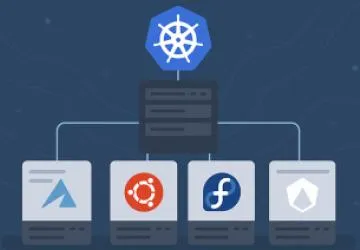
Alpine, Flatcar, Fedora CoreOS, Talos, and Ubuntu Core are carving out strong niches as Kubernetes-first base OSes. Each leans into immutability, container-native design, and just enough system overhead to get out of the way.
That lean profile isn’t just a flex—it means lower resource drag and a development setup that mirrors production more closely. Ideal when spinning up local k3s or MicroK8s without lugging around full-fat Linux.
System shift: General-purpose Linux is getting benched in favor of purpose-built OSes. For local clusters and fast pipelines, the new default is thin, locked-down, and born for containers.
Let's keep in touch!
Stay updated with my latest posts and news. I share insights, updates, and exclusive content.
Unsubscribe anytime. By subscribing, you share your email with @faun and accept our Terms & Privacy.
Give a Pawfive to this post!
Only registered users can post comments. Please, login or signup.
Start writing about what excites you in tech — connect with developers, grow your voice, and get rewarded.
Join other developers and claim your FAUN.dev() account now!

The FAUN watches over the forest of developers. It roams between Kubernetes clusters, code caves, AI trails, and cloud canopies, gathering the signals that matter and clearing out the noise.
Developer Influence
3k
Influence
302k
Total Hits
3711
Posts
Hey, sign up or sign in to add a reaction to my post.
Join thousands of other developers, 100% free, leave anytime.
Hey there! 👋 I created FAUN.dev(), an effortless, straightforward way for busy developers to keep up with the technologies they love 🚀
Aymen @eon01
Founder of FAUN.dev()
Join thousands of developers and engineering teams who use FAUN.dev() to stay up-to-date with the technologies they love, without the overwhelm.