Why Structured Post-mortem Reviews Matter
Security incidents, outages, and failures are inevitable, especially in fast-moving agile environments. But what separates high-performing teams from the rest is how they learn from them.
A well-run incident postmortem (or post-mortem meeting) focuses on uncovering contributing factors, surfacing action items, and driving continuous improvement in your incident response and development process.
The challenge? Without a consistent postmortem process, teams often miss key steps, overlook follow-up tasks, and fail to communicate critical takeaways across stakeholders. Spreadsheets, Google Docs, or scattered Slack messages aren’t enough to scale effective postmortems across multiple incidents or teams.
That’s why we created a security-focused incident post-mortem template in Jira – a structured, repeatable system designed to:
- Analyze any security incident in real time
- Streamline evidence gathering, root cause analysis, and action tracking
- Standardize postmortem reports and follow-through
- Support blameless post-mortem culture and audit readiness
Post-mortem template is a smarter workspace for conducting postmortems that actually lead to change. In case you’re responding to a data breach, a failed control, or a major incident, this template helps teams deliver clear outcomes and prevent recurrence.
What Is a Postmortem Review Template in Jira?
A postmortem template in Jira is a structured set of tasks and checklists that guides teams through the full postmortem process after a security incident, outage, or other critical failure.
This template helps teams:
- Document the incident timeline and discovery details
- Capture evidence and perform root cause analysis
- Assign and track action items and follow-up tasks
- Align on improvements across incident management, security, and engineering
The template is based on real workflows used by information security teams. It follows best practices from blameless post-mortems, agile retrospectives, and incident response programs. Each section is designed to help teams produce actionable insights, reduce recurrence, and drive continuous improvement.
Using this incident post-mortem template in Jira helps you:
- Align team members across functions like Security, DevOps, and Legal
- Ensure consistent documentation across future projects
- Replace manual tools like Google Docs with a shared, repeatable process
- Track everything in one place: from metrics to final deliverables
How to Structure Your Postmortem Process in Jira
A structured post-mortem template in Jira helps teams act fast, document findings, and prevent similar incidents from repeating. Instead of spreading post-incident reviews across Slack threads, Google Docs, or Statuspage updates, you can use a single, centralized checklist, built for security-focused postmortem analysis and tailored to your internal workflows.
To streamline this process, create a reusable template with Smart Templates for Jira. This approach allows you to plan and run each incident post-mortem in the same way with clear steps, ownership, and traceable outcomes. Each checklist item becomes part of your continuous improvement strategy, reducing risk and saving time across future projects.
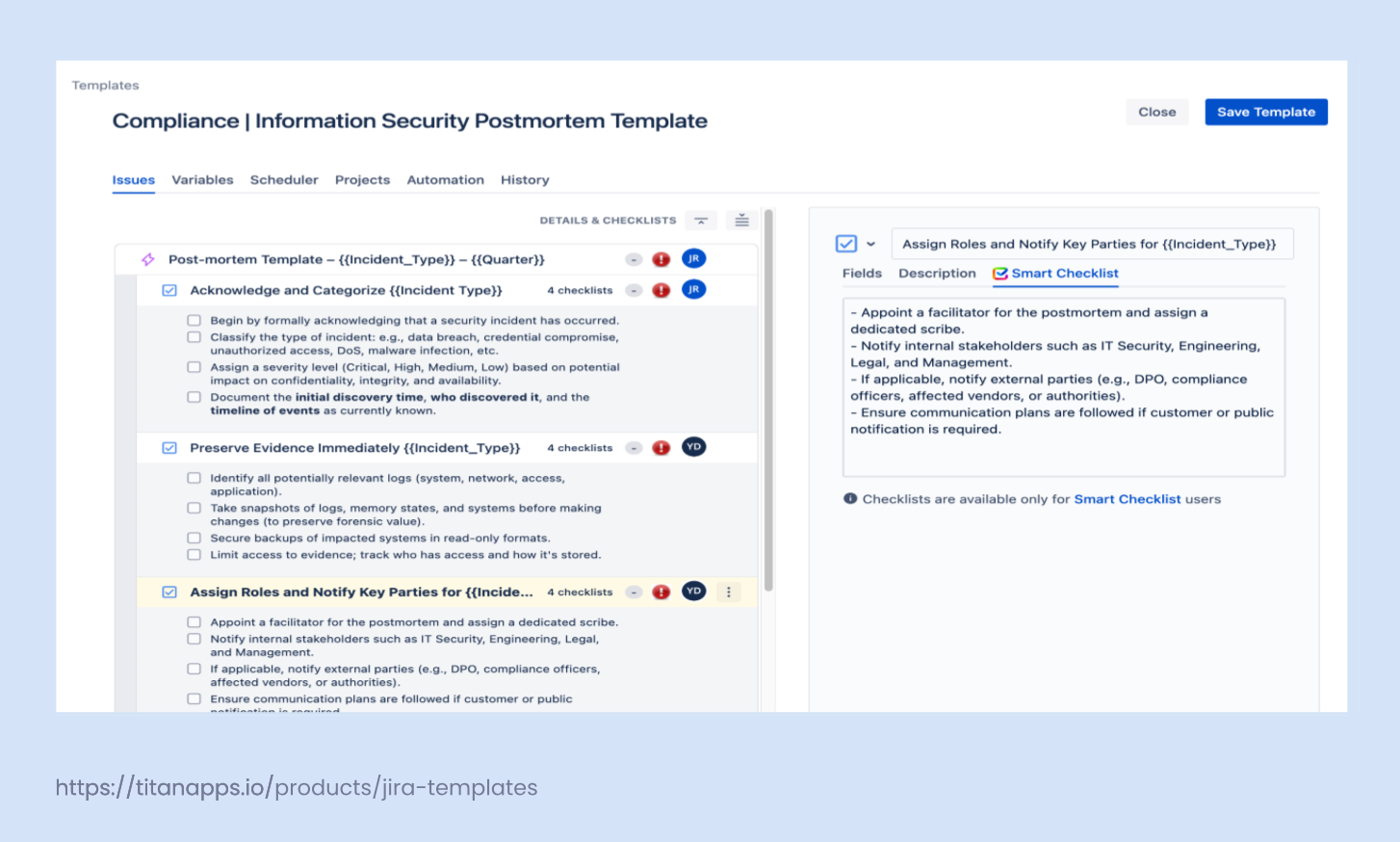
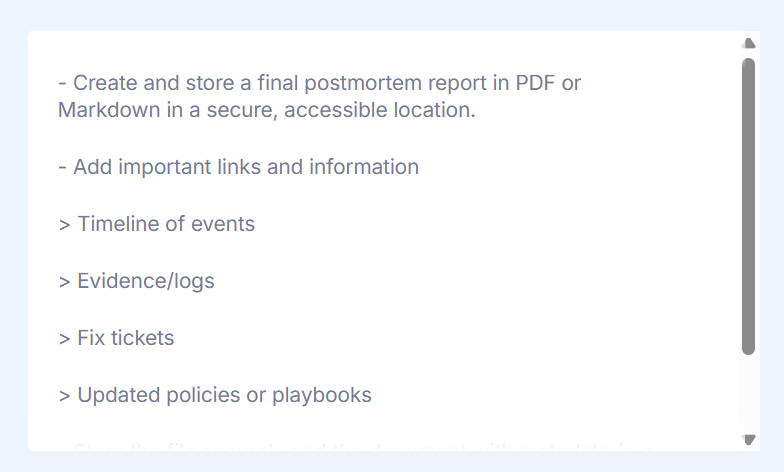
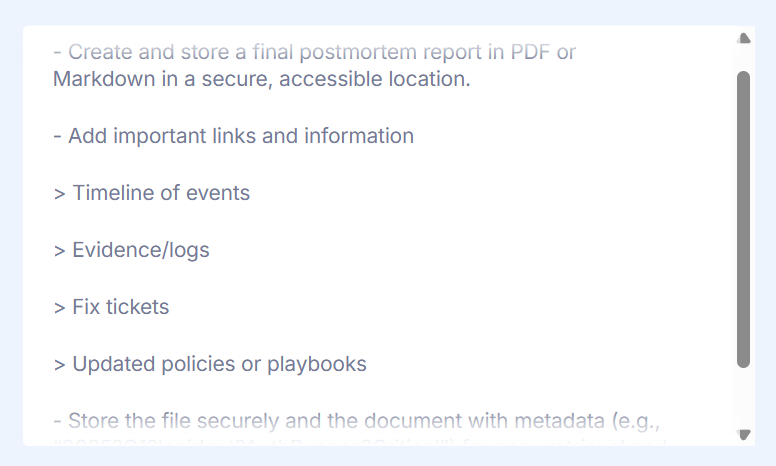
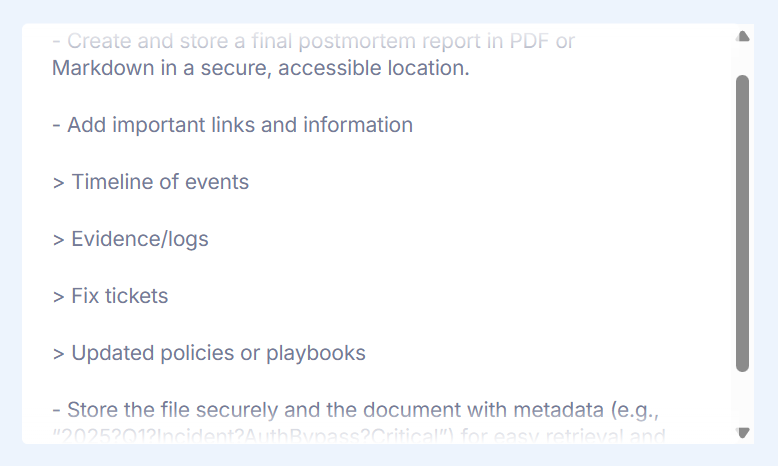
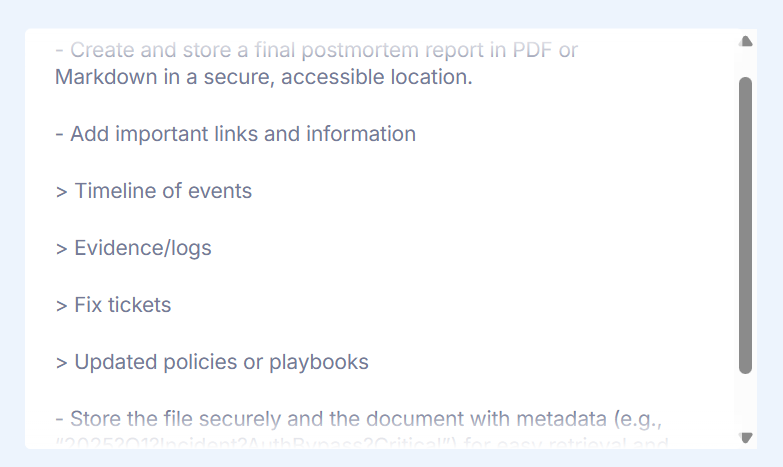
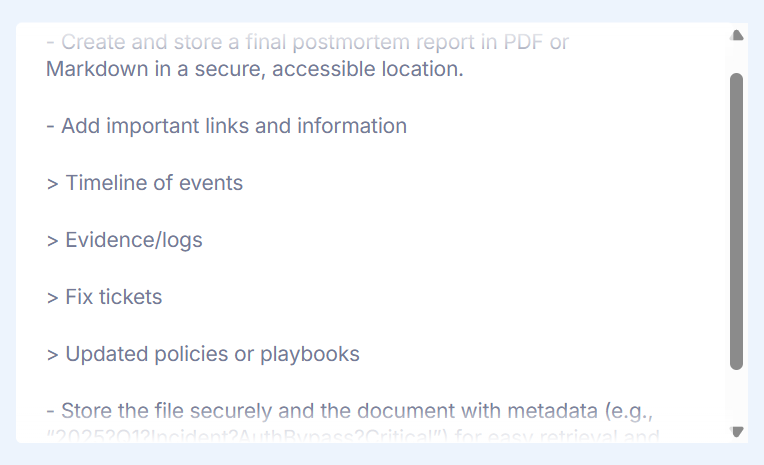
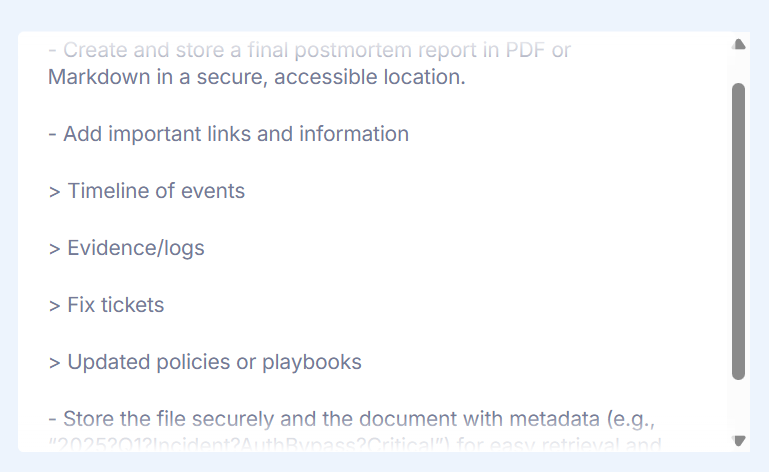
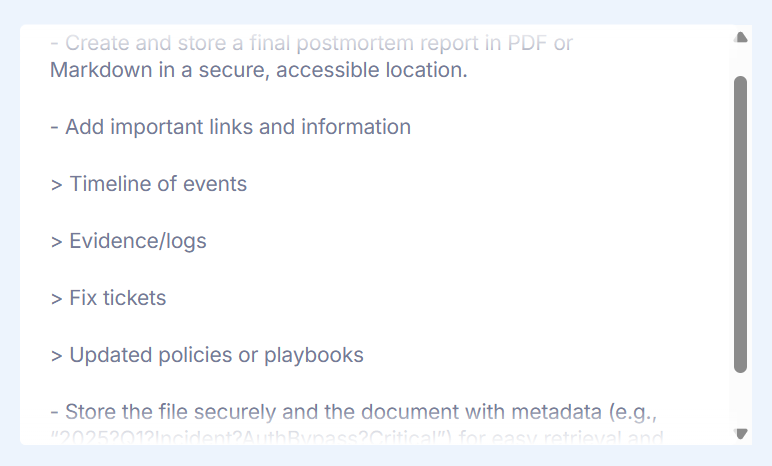
Here’s what the incident post-mortem template looks like in Jira, based on Railsware’s internal incident response process:
Post-mortem Template – {{Incident Type}} – {{Quarter}}