Join us

ContentUpdates from Levelop.dev...
Link
@faun shared a link, 1 year, 1 month ago
FAUN.dev()

Anubis and caddy-docker-proxy

CKANfaced a barrage: 60 requests per second, courtesy of some mischief-maker in Brazil. EnterAnubis. With its SHA256 challenge, it cut through the chaos like a hot knife through warm Brazilian pão de queijo. Now, plugging Anubis intocaddy-docker-proxypractically did itself. The proxy auto-configures.. read more  
Link
@faun shared a link, 1 year, 1 month ago
FAUN.dev()

The state of Kubernetes jobs in 2025 Q1

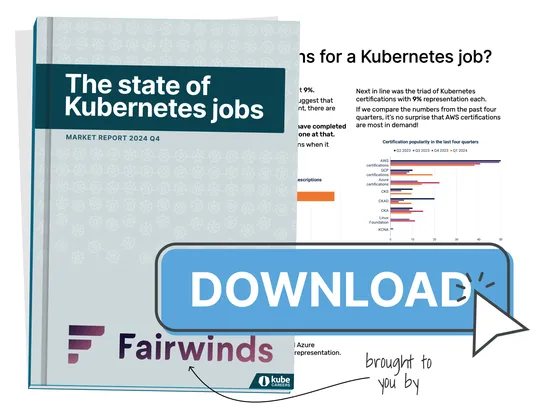
North American Kubernetes salariestook a 6% nosedive, settling at an average$165,288. Meanwhile, Europe enjoyed a tidy 4% uptick. Remote work? Holding steady at68%. No surprise—Pythonremained the darling of coding languages, getting a nod in62%of job posts, whileDockerwasn't far behind, gracing57%of.. read more  

The state of Kubernetes jobs in 2025 Q1
Link
@faun shared a link, 1 year, 1 month ago
FAUN.dev()

Impromptu disaster recovery

K3s reconciler threw a fit. A botched YAML reformat doubled up resources and obliterated the author’s cluster, courtesy of the clumsy hands of language models. It’s a vivid postcard from the island of LLM limitations. Luckily, Hetzner’s system rebuild stepped in to save the day. But it wasn’t painle.. read more  

Impromptu disaster recovery
Link
@faun shared a link, 1 year, 1 month ago
FAUN.dev()

v1.33: From Secrets to Service Accounts: Image Pulls Evolved

Kubernetes drops ephemeral KSA tokens into the mix for image pulls, putting long-lived credentials in the rearview mirror. Granular access? Absolutely rocks. Compliance? Consider it handled... read more  

Link
@faun shared a link, 1 year, 1 month ago
FAUN.dev()

How to build small and secure Docker images for Rust (FROM scratch)

This Dockerfile allows for the creation of minimal and secure Docker images for Rust projects. It utilizes multi-stage builds to avoid unnecessary dependencies and reduces the size of the final image... read more  

Link
@faun shared a link, 1 year, 1 month ago
FAUN.dev()

v1.33: Streaming List responses

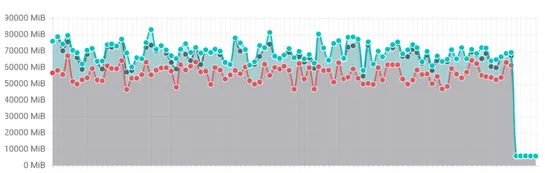
Kubernetesunleashed a game-changer:streaming encoding for List responses. What used to hog70-80GBnow zips by on a sleek3GB. That's a20x improvementin memory conservation. Say goodbye to those aggravating Out-of-Memory errors. This upgrade tackles mammoth datasets while babysitting your cluster's sta.. read more  

v1.33: Streaming List responses
Link
@faun shared a link, 1 year, 1 month ago
FAUN.dev()

From Edge to Enterprise: The StarlingX Advantage

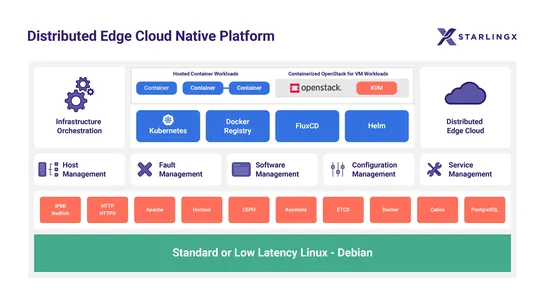
StarlingXtackles low-latency like a boss, perfect for edge and enterprise clouds. It weaves together real-time Linux and OVS DPDK, all while juggling up to5,000 nodes. It scales effortlessly, sprinting from humblesingle-nodesetups to sprawlingtens-of-thousandsin multi-region clouds. Timing precision.. read more  

From Edge to Enterprise: The StarlingX Advantage
Link
@faun shared a link, 1 year, 1 month ago
FAUN.dev()

v1.33: Fine-grained SupplementalGroups Control Graduates to Beta

Kubernetes v1.33 rolls in a snazzy beta feature: control over supplemental group merging in containers. It sharpenssecurityby exposing those sneaky implicit GIDs. But don't get too cozy—this power comes with strings. You’ll need CRI runtimes that play nice, or your pods will get the boot on unsuppor.. read more  

Link
@faun shared a link, 1 year, 1 month ago
FAUN.dev()

Major Updates to VS Code Docker: Introducing Container Tools

Dockertransforms intoContainer Tools, handing developers the keys to tool customization and runtime selection. A pivotal shift for those who dwell in the land of containers... read more  

Major Updates to VS Code Docker: Introducing Container Tools
Link
@faun shared a link, 1 year, 1 month ago
FAUN.dev()

Uber’s Journey to Ray on Kubernetes

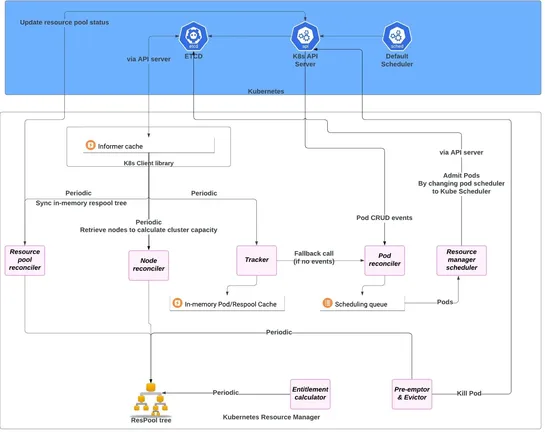
Uber tossed manual ML resource wrangling for a slick Kubernetes-Ray duo, amping up scalability and slashing inefficiencies.With dynamic resource pools, elastic sharing, and smart scheduling, they rev up utilization and demolish GPU waste—no micromanaging required... read more  

Uber’s Journey to Ray on Kubernetes
Levelop is an interview preparation platform designed specifically for working software engineers (typically with 2–6 years of experience) who want to land jobs at top-tier tech companies.

Instead of just handing you endless lists of problems or passive videos to watch, Levelop uses an active, AI-guided approach to help you build the right mental models for tough technical interviews.

Here is how it works:

Two Specialized AI Mentors: * Orion (Coding AI): Instead of just telling you that your code is wrong, Orion steps in when your code fails, maps out where your knowledge gap is, and guides you to fix it yourself.

Aurora (System Design AI): Rather than making you watch a 40-minute video, Aurora has a live conversation with you to explain foundational system design concepts before you even start drawing on the canvas.

Sprint-Based Practice: You practice in structured loops called "sprints," which combine both Data Structures & Algorithms (DSA) and system design problems.

Actionable Feedback Loop: At the end of every sprint, you receive a detailed report. It scores your technical skills, gives you a behavioral profile, and ranks the exact weaknesses you need to focus on during your next sprint.

In short, it is a smart, interactive practice arena that focuses on actively fixing your specific weaknesses rather than just tracking how many hours you spend studying.