Join us

ContentUpdates and recent posts about Grafana Mimir..

Discovery IconThat's all about @Grafana Mimir — explore more posts below...
 Activity
@ishanupadhyay started using tool Jenkins , 5 hours, 9 minutes ago.
 Activity
@ishanupadhyay started using tool Azure Pipelines , 5 hours, 9 minutes ago.
 Activity
@ishanupadhyay started using tool Terragrunt , 5 hours, 12 minutes ago.
 Activity
@ishanupadhyay started using tool Terraform , 5 hours, 12 minutes ago.
 Activity
@ishanupadhyay started using tool Sonatype Nexus , 5 hours, 12 minutes ago.
 Activity
@ishanupadhyay started using tool SonarQube , 5 hours, 12 minutes ago.
 Activity
@ishanupadhyay started using tool Snyk , 5 hours, 12 minutes ago.
 Activity
@ishanupadhyay started using tool Red Hat OpenShift , 5 hours, 12 minutes ago.
 Activity
@ishanupadhyay started using tool Python , 5 hours, 12 minutes ago.
 Activity
@ishanupadhyay started using tool Prometheus , 5 hours, 12 minutes ago.
Grafana Mimir is an open-source distributed time-series database developed by Grafana Labs, designed to store and query Prometheus metrics at massive scale. It provides a horizontally scalable, multi-tenant, and highly available backend that enables organizations to run Prometheus monitoring with virtually unlimited retention and capacity.

Mimir is built for modern observability stacks, offering features like query sharding, data compaction, object storage integration (S3, GCS, Azure Blob), and efficient deduplication for high cardinality workloads. It’s compatible with the Prometheus remote_write and remote_read APIs, making it easy to integrate into existing Prometheus ecosystems.

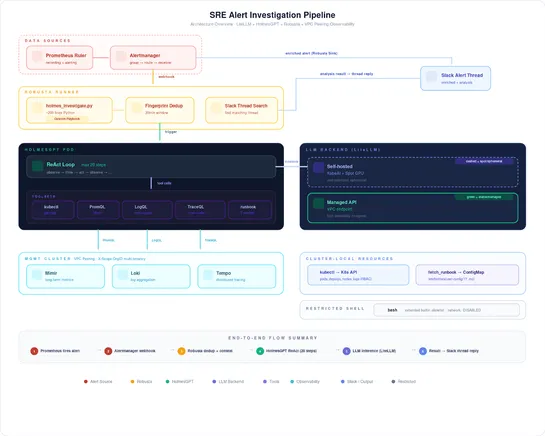
As part of the Grafana open observability suite, Mimir can be deployed independently or alongside Loki (for logs) and Tempo (for traces) to build a complete, scalable observability platform.