Join us

ContentUpdates and recent posts about Kata Containers..
Link
@faun shared a link, 10 months ago
FAUN.dev()

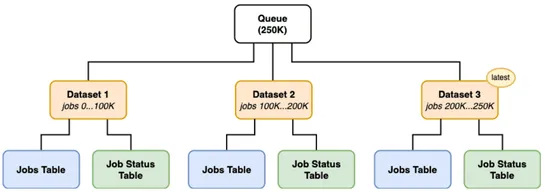
Lessons from scaling PostgreSQL queues to 100K events

PostgreSQLjuggles 100,000 events per second. Just needs some index wizardry and query twerking. The problem? Table bloat and Write Amplification. Gross. Enter the mightyCOPY—it bulldozes through bulk data, politely ignoring the usualInsertdrag. And those recursiveCTEs? They pull off loose index scan.. read more  
Lessons from scaling PostgreSQL queues to 100K events
Link
@faun shared a link, 10 months ago
FAUN.dev()

AV1 @ Scale: Film Grain Synthesis, The Awakening

AV1 Film Grain Synthesis (FGS)tricks the eye by imitating film grain after compression. Cuts bitrates like a ninja and keeps the artistry alive. Models grasp grain's pattern and punch, ensuring sharp visuals on bandwidth-challenged gadgets. Grainy magic, delivered neatly!.. read more  

AV1 @ Scale: Film Grain Synthesis, The Awakening
Link
@faun shared a link, 10 months ago
FAUN.dev()

Death by a thousand slops

By 2025,AI slopwill infect20%of curl's security submissions. Meanwhile, a mere5%reveal actual threats. Cutting the$90,000bounty might fend off the slopsters, but it'll scare away the real wizards, too... read more  

Death by a thousand slops
Link
@faun shared a link, 10 months ago
FAUN.dev()

Scalability is not performance

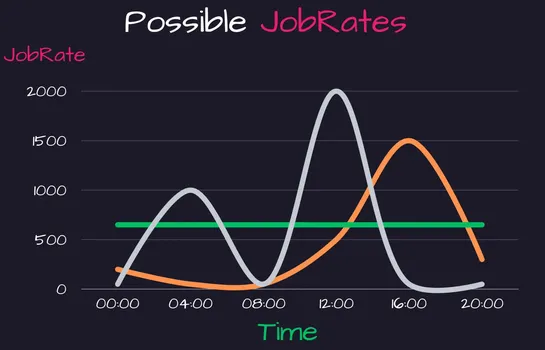
Boostingscalabilityin distributed systems isn't just a mad dash for speed. It's about morphing resources to tackle shifting demand. Nail scalability, and you balance infrastructure costs with job handling efficiency, all while juggling resource utilization at a sweet spot around 0.5. Crave a drama-f.. read more  

Scalability is not performance
Link
@faun shared a link, 10 months ago
FAUN.dev()

The Micro-Frontend Architecture Handbook

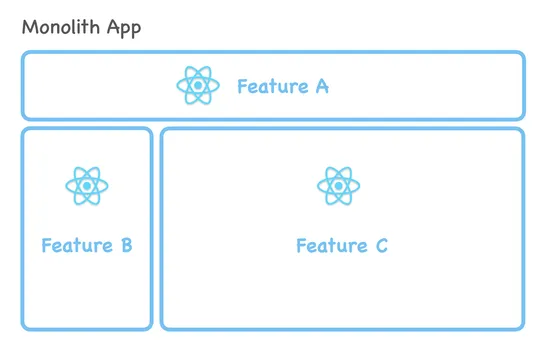
iframes: Secure and isolated, but clunky as dial-up. Best for legacy cleanup missions.Web Components: Native and framework-agnostic, perfect for reusable UI with Shadow DOM flair.single-spa: Juggles multiple SPAs with the finesse of a circus, though it gets chatty.Module Federation: Real-time module.. read more  

The Micro-Frontend Architecture Handbook
Link
@faun shared a link, 10 months ago
FAUN.dev()

How Go 1.24's Swiss Tables saved us hundreds of gigabytes

Uncovered a memory regression inGo 1.24. Pored over memory patterns in countless pods like a detective with too much caffeine. Pinpointed sneaky allocation blunders... read more  

Link
@faun shared a link, 10 months ago
FAUN.dev()

Rethinking CLI interfaces for AI

LLMs fumble with CLI tools because they lack context. Tweaking APIs and tools for LLM savvy could cut mistakes and boost context efficiency.Smarter interfaces might keep them from getting stuck in infinite loops or bungling directories, slashing tool calls and making automation crisp and tidy... read more  

Rethinking CLI interfaces for AI
Link
@faun shared a link, 10 months ago
FAUN.dev()

OpenAI deputizes ChatGPT to serve as an agent

OpenAI's ChatGPTnow flexes its muscles as an agent. It juggles complex tasks, dives into spreadsheets, and pokes at APIs. But hey, watch your back—new levels of power mean fresh data security headaches. While it shrugs off most prompt injection attacks, the bot's got strict manners. It always asks b.. read more  

OpenAI deputizes ChatGPT to serve as an agent
Link
@faun shared a link, 10 months ago
FAUN.dev()

AWS goes full speed ahead on the AI agent train

AWS Bedrock AgentCorepromises AI agent deployment at ungodly scales. But hang onto your hats: by 2027, up to 40% of these endeavors might implode without a squeak of success... read more  

AWS goes full speed ahead on the AI agent train
Link
@faun shared a link, 10 months ago
FAUN.dev()

Tzafon builds the next generation of agentic machine intelligence with Google Cloud infrastructure

Tzafondives headfirst intoGoogle Cloud'sAI-ready playground, juicing up multi-agent systems withNVIDIA GPUsand the nimbleness ofKubernetes... read more  

Tzafon builds the next generation of agentic machine intelligence with Google Cloud infrastructure
Kata Containers is a Cloud Native Computing Foundation (CNCF) project designed to close the security gap between traditional Linux containers and virtual machines. Instead of sharing a single host kernel like standard containers, Kata Containers launches each pod or container inside its own lightweight virtual machine using hardware virtualization.

This approach dramatically reduces the attack surface and prevents container escape vulnerabilities, making Kata ideal for multi-tenant, untrusted, or sensitive workloads. Despite using VMs under the hood, Kata is optimized for fast startup times and integrates seamlessly with Kubernetes through the Container Runtime Interface (CRI), allowing it to be used alongside runtimes like containerd and CRI-O.

Kata Containers is commonly used in scenarios such as multi-tenant Kubernetes clusters, confidential computing, sandboxed AI workloads, serverless platforms, and agent execution environments where strong isolation is mandatory. It supports multiple hypervisors, including QEMU, Firecracker, and Cloud Hypervisor, and continues to evolve toward faster boot times, lower memory overhead, and better hardware acceleration support.