Join us

ContentUpdates and recent posts about Magento 2 Multiple Wishlist Extension..
Link
@faun shared a link, 6 months ago
FAUN.dev()

Implementing Vector Search from Scratch: A Step-by-Step Tutorial

Search is a fundamental problem in computing, and vector search aims to match meanings rather than exact words. By converting queries and documents into numerical vectors and calculating similarity, vector search retrieves contextually relevant results. In this tutorial, a vector search system is bu.. read more  
Link
@faun shared a link, 6 months ago
FAUN.dev()

Inside NVIDIA GPUs: Anatomy of high performance matmul kernels

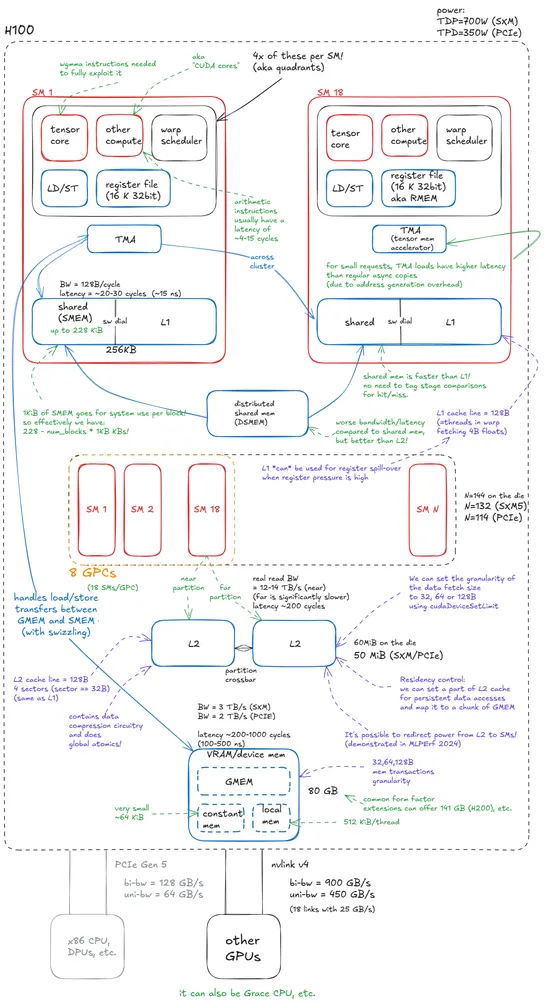
NVIDIA Hopper packs serious architectural tricks. At the core: **Tensor Memory Accelerator (TMA)**, **tensor cores**, and **swizzling**—the trio behind async, cache-friendly matmul kernels that flirt with peak throughput. But folks aren't stopping at cuBLAS. They're stacking new tactics: **warp-gro.. read more  

Inside NVIDIA GPUs: Anatomy of high performance matmul kernels
Link
@faun shared a link, 6 months ago
FAUN.dev()

Shai-Hulud npm Supply Chain Attack

Malicious npm packages just leveled up: this one dropped a self-spreading worm that hijacks repos and leaks secrets the moment it lands. It abuses `postinstall` scripts to run TruffleHog and swipe tokens straight from your codebase. Then it uses GitHub Actions to exfiltrate the loot and auto-publis.. read more  

Shai-Hulud npm Supply Chain Attack
Link
@faun shared a link, 6 months ago
FAUN.dev()

Demystifying Log Retention in Azure

Azure logs come in three flavors: **Activity Logs**, **Diagnostic Logs**, and **Log Analytics**. Each with its own rules for retention and billing. The catch? Those differences aren’t quirks—they’re baked in... read more  

Link
@faun shared a link, 6 months ago
FAUN.dev()

Top 30 Argo CD Anti-Patterns to Avoid When Adopting Gitops

A teardown of Argo CD anti-patterns calls out 28 common misfires—stuff like skipping Git for Application CRDs or stuffing Helm/Kustomize config right into Argo CD manifests. Yikes. It pushes for a cleaner setup: use **ApplicationSets** instead of rolling your own YAML, turn on **auto-sync/self-heal.. read more  

Link
@faun shared a link, 6 months ago
FAUN.dev()

How FinOps Drives Value for Every Engineering Dollar

Duolingo’s FinOps crew didn’t just track cloud costs—they wired up sharp, automated observability across 100+ microservices. Real-time alerts now catch AI and infra spend spikes before they torch the budget. They sliced TTS costs by 40% with in-memory caching. Dumped pricey CloudWatch metrics for P.. read more  

How FinOps Drives Value for Every Engineering Dollar
Link
@faun shared a link, 6 months ago
FAUN.dev()

Introducing DigitalOcean Organizations, a new and comprehensive account layer

DigitalOcean just dropped **Organizations**—a real upgrade for anyone juggling multiple Teams. Think one top-level account to rule them all: centralized user control, one invoice to track, and org-wide settings for taxes, credits, and permissions... read more  

Introducing DigitalOcean Organizations, a new and comprehensive account layer
Link
@faun shared a link, 6 months ago
FAUN.dev()

Observability for the Invisible: Tracing Message Drops in Kafka Pipelines

When an event drops silently in a distributed system, it is not a bug, it is an architectural blind spot. Detect, debug, and prevent message loss in Kafka-based streaming pipelines using tools like OpenTelemetry, Fluent Bit, Jaeger, and dead-letter queues. Make sure observability gaps in event strea.. read more  

Link
@faun shared a link, 6 months ago
FAUN.dev()

What are Error Budgets? A Guide to Managing Reliability

OneUptime shows how to put **error budgets** to work—keeping feature velocity in check without tanking reliability. The goal: ship fast, stay within SLOs. They do it by tracking **burn rates**, syncing across teams, and tuning SLOs to match how users actually use the product. Less guesswork, more s.. read more  

Link
@faun shared a link, 6 months ago
FAUN.dev()

Why Rancher's Founders Pivoted From Kubernetes to Agentic AI

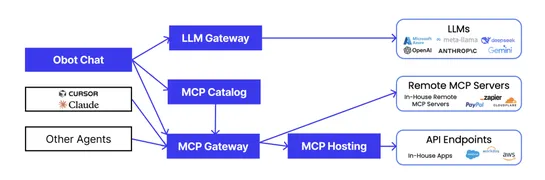
Obot.ai just dropped out of stealth with $35M in seed and a big swing: it’s building a control plane for agentic AI, anchored on the now-standard **Model Context Protocol (MCP)**. Its **MCP Gateway** handles registry, secure proxying, RBAC, and observability for MCP servers. Think API gateway, but .. read more  

Why Rancher's Founders Pivoted From Kubernetes to Agentic AI
Magecomp Magento 2 Multiple Wishlist Extension is a powerful tool designed to enhance the default wishlist functionality in Magento 2. Developed by Magecomp, a trusted provider of Magento extensions, this extension offers advanced features and flexibility for creating multiple wishlists on your Magento 2 store.

Wishlists are an essential feature for any e-commerce store as they allow customers to save products for future reference or purchase. However, the default Magento 2 wishlist functionality only allows customers to create a single wishlist. This limitation can be restrictive, especially for customers who want to organize their saved products into different categories or share specific wishlists with others.

Magecomp's Multiple Wishlist Extension addresses these limitations by enabling customers to create and manage multiple wishlists effortlessly. Here are some key features and benefits of this extension:

Multiple Wishlists: The extension allows customers to create multiple wishlists based on their preferences. Customers can organize their saved products into different wishlists, such as "Birthday Gifts," "Holiday Shopping," or "Favorite Items," providing them with better control and organization over their desired products.

Wishlist Sharing: With this extension, customers can easily share their wishlists with friends, family, or on social media platforms. The sharing functionality enhances customer engagement and encourages social interaction, allowing customers to get opinions or recommendations from others before making a purchase decision.

Privacy Control: Magecomp's Multiple Wishlist Extension provides customers with privacy control options. Customers can choose to keep their wishlists private or make them public, depending on their preferences. Public wishlists can be viewed and accessed by others, which can be useful for sharing gift ideas or creating collaborative wishlists.

Wishlist Search and Filtering: The extension enhances the usability of wishlists by adding search and filtering options. Customers can search for specific products within a wishlist or filter products based on various attributes such as price, brand, or category. This feature simplifies the process of finding desired products within a large wishlist, improving the overall user experience.

Bulk Actions: Customers can perform bulk actions on their wishlists, such as adding multiple products to the cart, removing selected products, or moving items between wishlists. These bulk actions save time and provide convenience to customers when managing their wishlists.

Customization Options: The Multiple Wishlist Extension allows store owners to customize various aspects of the wishlists, including layout, design, and display options. This customization capability ensures that the wishlists seamlessly integrate with the overall look and feel of the Magento 2 store.

Easy Integration: The extension is designed to seamlessly integrate with the Magento 2 platform. It is easy to install, configure, and use, without requiring extensive technical knowledge or coding skills.

In conclusion, Magecomp Magento 2 Multiple Wishlist Extension is a valuable addition to any Magento 2 store, empowering customers with the ability to create and manage multiple wishlists. With enhanced features like wishlist sharing, privacy control, search and filtering options, and customization capabilities, this extension improves the user experience and boosts customer engagement on your e-commerce website.