The invisible engineering behind Lambda’s network
AWS engineers explain how the Lambda team rebuilt VPC networking so they can keep per-invocation setup off the hot path and run dense microVM workers at scale... read more
Join us
 Updates and recent posts about Pulumi..
AWS engineers explain how the Lambda team rebuilt VPC networking so they can keep per-invocation setup off the hot path and run dense microVM workers at scale... read more
Graham Gilbert argues Terraform is effectively dead, kept alive only by inertia: HCL forced engineers to translate intent (the diagrams, paragraphs, and constraints that actually describe systems) into a DSL that nobody naturally thinks in, while fragmenting infrastructure, application logic, polici.. read more
Shift left has become a buzzword, but merely moving testing earlier doesn't address the core issue of authority and decision-making in quality assurance. AI may offer quicker testing, but it doesn't comprehend risk like human testers do - beware the dangerous lie that AI can replace thorough, critic.. read more
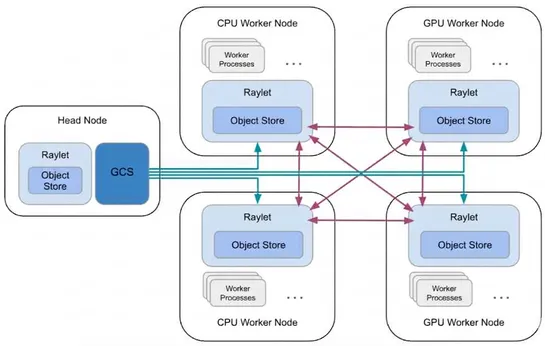
After a network outage crisis, Pinterest's ML Platform team discovered high Kubernetes agent CPU usage was causing critical Ray training job failures. The team's deep profiling strategy revealed a rarely seen flaw in how Kubelet was handling memory cgroup iterations... read more
AI in SRE is evolving, with true value in Root Cause Analysis and Pre-Change Impact Analysis, not autonomous remediation or AI replacing SREs - it's about collaboration and focus evolution... read more

🔐 𝗟𝗶𝗻𝘂𝘅 𝗸𝗲𝗿𝗻𝗲𝗹 𝘃𝘂𝗹𝗻𝗲𝗿𝗮𝗯𝗶𝗹𝗶𝘁𝗶𝗲𝘀 are once again forcing enterprises to rethink 𝙞𝙣𝙛𝙧𝙖𝙨𝙩𝙧𝙪𝙘𝙩𝙪𝙧𝙚 𝙨𝙚𝙘𝙪𝙧𝙞𝙩𝙮 𝙥𝙧𝙞𝙤𝙧𝙞𝙩𝙞𝙚𝙨. The recent disclosure of “𝗖𝗼𝗽𝘆 𝗙𝗮𝗶𝗹” and “𝗗𝗶𝗿𝘁𝘆 𝗙𝗿𝗮𝗴” highlights how kernel-level flaws can rapidly evolve into major risks for cloud environments, containers, Kubernetes clusters, and cr..


