Heroku Logs: Everything You Need to Know
Everything you need to know about using Heroku logs for monitoring, troubleshooting, and improving app performance.
Join us
 Updates and recent posts about Slurm..
Everything you need to know about using Heroku logs for monitoring, troubleshooting, and improving app performance.


Telecom companies face the constant challenge of maintaining efficiency and customer satisfaction in a rapidly evolving landscape. That’s where OSS (Operational Support Systems) and BSS (Business Support Systems) step in—acting as the backbone for technical operations and customer-facing processes. ..


Schema changes and migrations can quickly spiral into chaos, leading to significant challenges. Overcoming these obstacles requires effective strategies for streamlining schema migrations and adaptations, enabling seamless database changes with minimal downtime and performance impact. Without these practices, the risk of flawed schema migrations grows - just as GitHub experienced. Discover how to avoid similar pitfalls.


Discover how Auto Pause Transient Alerts (APTA) revolutionizes alert noise reduction for DevOps teams. Learn to eliminate alert fatigue, optimize incident response, and enhance team productivity through intelligent alert management. Includes implementation guides, best practices, and real-world use cases.
Why Consider PagerDuty Alternatives? 5 Critical Reasons to Switch in 2025" analyzes the evolving landscape of incident management platforms and explores compelling reasons for organizations to consider alternatives to PagerDuty. The article examines five key areas where modern solutions are outpacing traditional offerings:
User Interface: Modern alternatives offer streamlined, intuitive interfaces compared to PagerDuty's complex navigation system
Pricing Structure: Analysis of transparent pricing models versus PagerDuty's tiered pricing and add-on costs
SRE/DevOps Integration: Built-in reliability engineering features that go beyond basic incident management
Platform Unification: Comprehensive all-in-one solutions versus fragmented tooling
Enterprise Support: Enhanced migration assistance and ongoing technical support
The article provides practical guidance for evaluating alternatives, including demo considerations, pricing comparisons, and migration planning. It concludes with actionable steps for organizations considering a switch from PagerDuty to more modern incident management solutions.
🌐 Save the Date! We’re excited to attend the Los Angeles CyberSecurity Conference 2025, hosted by FutureCon Events on January 16th! This exclusive event is your gateway to: Learning from C-level executives about mitigating cyber risks. Gaining actionable insights on building cyber-resilient organiza..

The Observability Maturity Model helps organizations optimize systems by advancing through stages to improve reliability, performance, and troubleshooting.

Cloud tracing provides essential visibility into distributed systems, helping track requests, identify bottlenecks, and improve performance. Learn the best practices and tools for effective monitoring.

Learn how to integrate Kafka with OpenTelemetry for enhanced distributed tracing, better performance monitoring, and effortless troubleshooting.

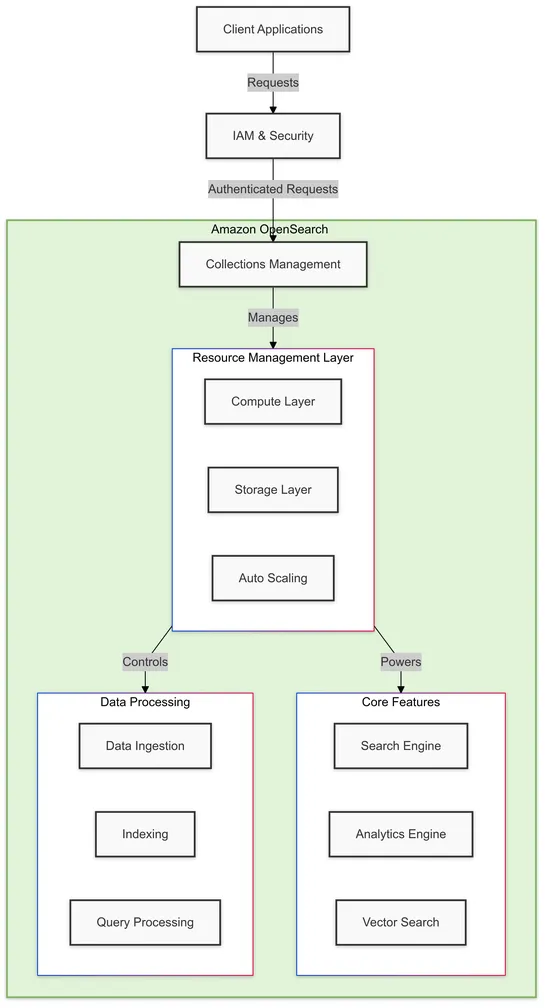
OpenSearch Serverless simplifies search and analytics with auto-scaling, cost efficiency, and easy management, ideal for large-scale applications.