 Updates and recent posts about GitHub..
 That's all about @GitHub — explore more posts below...
 Link
@pushpakraut shared a link, 7 hours ago
Story
@laura_garcia shared a post, 15 hours ago
Software Developer, RELIANOID
CVE-2026-31431 ("Copy Fail")
🚨 CVE-2026-31431 ("Copy Fail") A Linux kernel flaw enabling reliable root privilege escalation from local access. 🔍 Affects most systems since ~2017 ⚠️ High impact, stealthy exploitation 🛠️ Fix: Patch immediately & restrict AF_ALG if unused 🛡️ Mitigated in RELIANOID EE 8.6 and CE 7.10 👉 Technical tr..
Story

@alok00k shared a post, 15 hours ago
Why Functional Testing Is Still the Backbone of Software Quality
Functional testing ensures software behaves according to business and user requirements by validating complete workflows, APIs, and application behavior. As modern applications become more API-driven and distributed, functional testing plays a critical role in preventing broken user experiences and production failures. Automated functional testing integrated with CI/CD pipelines helps teams release software faster while maintaining reliability and quality.
Story

@koukibadr shared a post, 18 hours ago
Mobile Developer, Nventive
Localize Your Flutter App with Gemini
Why localize your app? Think about it, ignoring international users is like making a fire meme and forgetting to post it online - what's the point? But don't worry, we hear you screaming Fear not, for Gemini is here to be your Yoda in the localization swamp. We'll tackle all your app translation..
Activity
@ruchi-sharma created an organization Nimble AppGenie , 21 hours, 20 minutes ago.
Story WrapPixel Team
@sanjayjoshi shared a post, 1 day, 15 hours ago
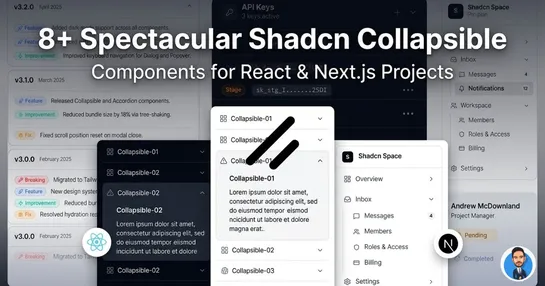
8+ Best Shadcn Collapsible Component Examples for React & Next.js
Shadcn Collapsible components offer a flexible, non-interruptive way to manage secondary content in React and Next.js projects. Unlike accordions or dialogs, they keep users in context while reducing UI clutter. Key variations include sidebar menus, API key managers, and file trees, all of which benefit from Tailwind CSS styling and full ARIA accessibility.
Activity
@alihenryofficial started using tool SAP Commerce Cloud , 1 day, 15 hours ago.
Activity
@alihenryofficial started using tool Google Publisher Tag , 1 day, 15 hours ago.
Story
@laura_garcia shared a post, 1 day, 15 hours ago
Software Developer, RELIANOID
𝗲𝗻𝗮𝗯𝗹𝗲 𝗦𝗲𝗰𝘂𝗿𝗲 𝗕𝗼𝗼𝘁 𝗶𝗻 𝗥𝗘𝗟𝗜𝗔𝗡𝗢𝗜𝗗 𝗘𝗻𝘁𝗲𝗿𝗽𝗿𝗶𝘀𝗲 𝗘𝗱𝗶𝘁𝗶𝗼𝗻
𝗦𝗲𝗰𝘂𝗿𝗲 𝗕𝗼𝗼𝘁 + 𝗥𝗘𝗟𝗜𝗔𝗡𝗢𝗜𝗗 = 𝘴𝘵𝘳𝘰𝘯𝘨𝘦𝘳 𝘵𝘳𝘶𝘴𝘵 from the very first instruction executed. Here's a practical guide on 𝗵𝗼𝘄 𝘁𝗼 𝗲𝗻𝗮𝗯𝗹𝗲 𝗦𝗲𝗰𝘂𝗿𝗲 𝗕𝗼𝗼𝘁 𝗶𝗻 𝗥𝗘𝗟𝗜𝗔𝗡𝗢𝗜𝗗 𝗘𝗻𝘁𝗲𝗿𝗽𝗿𝗶𝘀𝗲 𝗘𝗱𝗶𝘁𝗶𝗼𝗻 using the standard shim + MOK approach. 🔐 What’s inside: - Why Secure Boot can’t be enabled on first install - Step-by-step MOK enr..
Activity
@sanjayjoshi gave 🐾 to How To Make a Fast Dynamic Language Interpreter , 1 day, 18 hours ago.

Its open-source community is one of the largest globally, connecting millions of developers who contribute to public repositories, share knowledge, and build reusable tools. GitHub also supports enterprise-grade collaboration with fine-grained permissions, compliance features, and private repository hosting. By integrating code, automation, security, and collaboration into a single platform, GitHub has become an essential part of modern software development workflows.
