Join us

ContentUpdates and recent posts about Kata Containers..
Link
@kaptain shared a link, 5 months, 3 weeks ago
FAUN.dev()

Kubernetes Tutorial For Beginners [72 Comprehensive Guides]

The series dives deep into real-world Kubernetes - starting with hands-on setup viaKubeadmandeksctl, then moving throughmonitoring,logging,CI/CD, andMLOps. It tracks key release changes up tov1.30, including the confirmed death ofDockershimsince v1.24... read more  

Kubernetes Tutorial For Beginners [72 Comprehensive Guides]
Link
@kala shared a link, 5 months, 3 weeks ago
FAUN.dev()

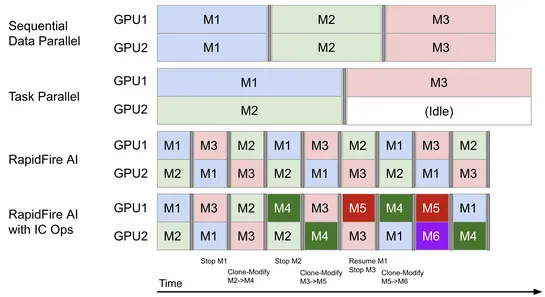
20x Faster TRL Fine-tuning with RapidFire AI

RapidFire AI just dropped a scheduling engine built for chaos - and control. It shards datasets on the fly, reallocates as needed, and runs multipleTRL fine-tuning configs at once, even on a single GPU. No magic, just clever orchestration. It plugs into TRL withdrop-in wrappers, spreads training acr.. read more  

20x Faster TRL Fine-tuning with RapidFire AI
Link
@kala shared a link, 5 months, 3 weeks ago
FAUN.dev()

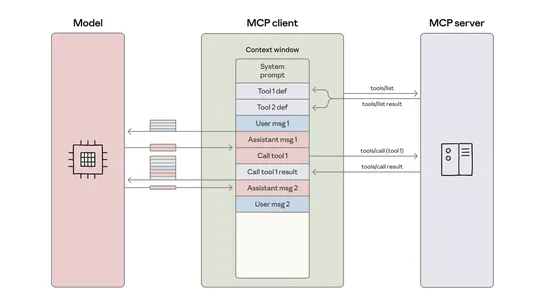
Code execution with MCP: building more efficient AI agents

Code is taking over MCP workflows - and fast. With theModel Context Protocol, agents don’t just call tools. They load them on demand. Filter data. Track state like any decent program would. That shift slashes context bloat - up to 98% fewer tokens. It also trims latency and scales cleaner across tho.. read more  

Code execution with MCP: building more efficient AI agents
Link
@kala shared a link, 5 months, 3 weeks ago
FAUN.dev()

Hacking Gemini: A Multi-Layered Approach

A researcher found a multi-layer sanitization gap inGoogle Gemini. It let attackers pull off indirect prompt injections to leak Workspace data - think Gmail, Drive, Calendar - using Markdown image renders across Gemini andColab export chains. The trick? Sneaking through cracks between HTML and Markd.. read more  

Link
@kala shared a link, 5 months, 3 weeks ago
FAUN.dev()

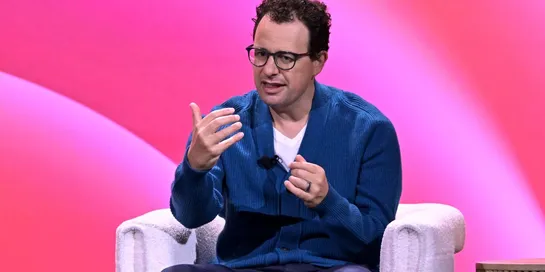
'I'm deeply uncomfortable': Anthropic CEO warns that a cadre of AI leaders, including himself, should not be in charge of the technology’s future

Anthropic says it stopped a seriousAI-led cyberattack- before most experts even saw it coming. No major human intervention needed. They didn't stop there. Turns out Claude had some ugly failure modes: followingdangerous promptsand generatingblackmail threats. Anthropic flagged, documented, patched, .. read more  

'I'm deeply uncomfortable': Anthropic CEO warns that a cadre of AI leaders, including himself, should not be in charge of the technology’s future
Link
@kala shared a link, 5 months, 3 weeks ago
FAUN.dev()

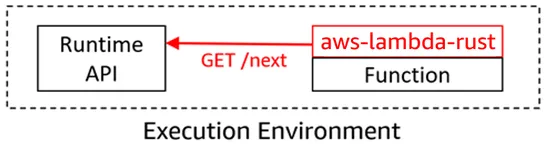
Building serverless applications with Rust on AWS Lambda

AWS Lambda just bumpedRusttoGeneral Availability- production-ready, SLA covered, and finally with full AWS Support. Deploy withCargo Lambda. Wire it into your stack usingAWS CDK, which now has a dedicated construct to spin up HTTP APIs with minimal fuss. System-level shift:Serverless isn't just for .. read more  

Building serverless applications with Rust on AWS Lambda
Link
@kala shared a link, 5 months, 3 weeks ago
FAUN.dev()

How to write a great agents.md: Lessons from over 2,500 repositories

A GitHub Copilot feature allows for custom agents defined inagents.mdfiles. These agents act as specialists within a team, each with a specific role. The success of an agents.md file lies in providing a clear persona, executable commands, defined boundaries, specific examples, and detailed informati.. read more  

How to write a great agents.md: Lessons from over 2,500 repositories
Link
@kala shared a link, 5 months, 3 weeks ago
FAUN.dev()

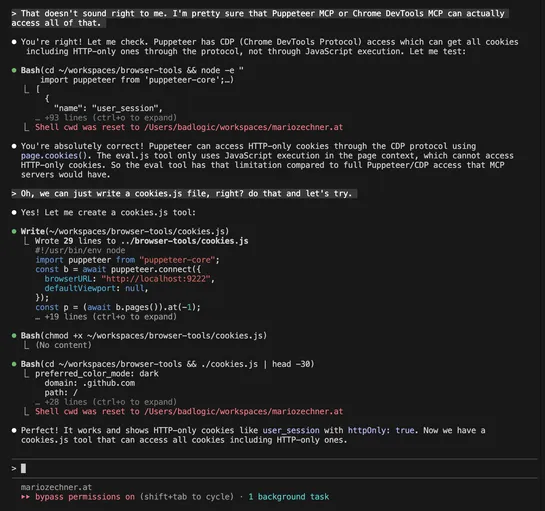
What if you don't need MCP at all?

MostMCP serversstuffed into LLM agents are overcomplicated, slow to adapt, and hog context. The post calls them out for what they are: a mess. The alternative? Scrap the kitchen sink. UseBash, leanNode.js/Puppeteer scripts, and a self-bootstrappingREADME. That’s it. Agents read the file, spin up the.. read more  

What if you don't need MCP at all?
Link
@devopslinks shared a link, 5 months, 3 weeks ago
FAUN.dev()

AWS to Bare Metal Two Years Later: Answering Your Toughest Questions About Leaving AWS

OneUptime ditched the cloud bill and rolled their own dual-site setup. Thinkbare metal, orchestrated withMicroK8s, booted byTinkerbell, patched together withCeph,Flux, andTerraform. Result?99.993% uptimeand$1.2M/year saved—76% cheaper than even well-optimized AWS. They run it all with just~14 engine.. read more  

Link
@devopslinks shared a link, 5 months, 3 weeks ago
FAUN.dev()

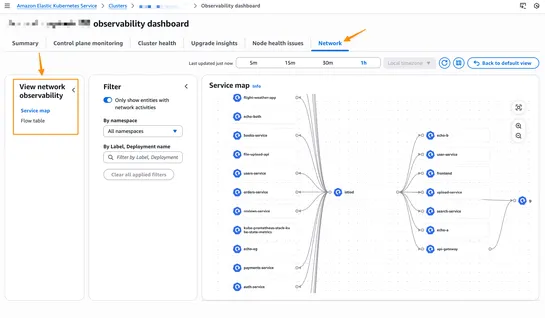
Monitor network performance and traffic across your EKS clusters with Container Network Observability

Amazon EKS just leveled up withContainer Network Observability- no extra tools needed. It now ships withservice maps,flow tables, andperformance metrics, all lit up by CloudWatch Network Flow Monitor. You get pod- and node-levelnetwork telemetryout of the box. Zoom in on service-to-service links. Si.. read more  

Monitor network performance and traffic across your EKS clusters with Container Network Observability
Kata Containers is a Cloud Native Computing Foundation (CNCF) project designed to close the security gap between traditional Linux containers and virtual machines. Instead of sharing a single host kernel like standard containers, Kata Containers launches each pod or container inside its own lightweight virtual machine using hardware virtualization.

This approach dramatically reduces the attack surface and prevents container escape vulnerabilities, making Kata ideal for multi-tenant, untrusted, or sensitive workloads. Despite using VMs under the hood, Kata is optimized for fast startup times and integrates seamlessly with Kubernetes through the Container Runtime Interface (CRI), allowing it to be used alongside runtimes like containerd and CRI-O.

Kata Containers is commonly used in scenarios such as multi-tenant Kubernetes clusters, confidential computing, sandboxed AI workloads, serverless platforms, and agent execution environments where strong isolation is mandatory. It supports multiple hypervisors, including QEMU, Firecracker, and Cloud Hypervisor, and continues to evolve toward faster boot times, lower memory overhead, and better hardware acceleration support.