Join us

ContentUpdates and recent posts about Grype..
Link
@anjali5 shared a link, 4 days, 14 hours ago

How to Fix Developer Productivity at 50+ Engineers

You ship a feature. It works. A week later, someone asks why it's not in staging yet, and you realize it's behind an infrastructure request that's still in review. The ticket isn't urgent enough to escalate. It's also not small enough to ignore. So it waits.

That's what a developer productivity problem feels like at 50 engineers.
developer
Story
@laura_garcia shared a post, 4 days, 14 hours ago
Software Developer, RELIANOID

AI Reliability Engineering: The New Era of SRE

🤖 As AI becomes part of critical business operations, reliability is no longer just an infrastructure concern. From latency and model drift to observability and trust, AI workloads introduce a new set of challenges for modern SRE teams. In our latest article, we look at how reliability engineering i..

 Activity
@pluto_native started using tool Terraform , 1 week ago.
 Activity
@pluto_native started using tool Kubernetes , 1 week ago.
 Activity
@pluto_native started using tool Google Cloud Platform , 1 week ago.
 Activity
@pluto_native started using tool Amazon Web Services , 1 week ago.
Link
@eon01 shared a link, 1 week ago
Founder, FAUN.dev

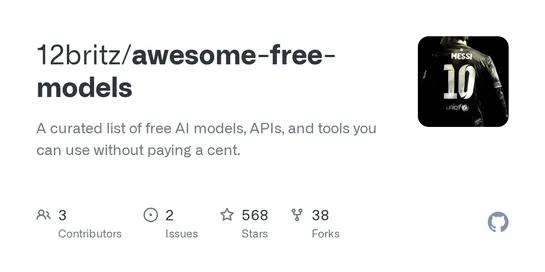
A curated list of free AI models, APIs, and tools you can use without paying a cent.

Running AI shouldn't require a credit card. This list curates genuinely free models — open-weight models you can self-host, free API tiers from major providers, and tools to run everything locally.

A curated list of free AI models, APIs, and tools you can use without paying a cent.
 Activity
@eon01 added a new tool Unsloth , 1 week ago.
Grype, developed by Anchore, is an open source vulnerability scanner that inspects container images, SBOMs, and filesystems for known CVEs. It supports multiple ecosystems, including Debian, Alpine, Red Hat, Python, Ruby, Go, and Java. Grype integrates with Syft for SBOM generation and provides precise, reproducible results with minimal configuration. Developers use it in CI pipelines, GitOps workflows, and security audits to enforce secure build practices and maintain supply chain visibility. Its speed, accuracy, and integration-first design make it a popular choice in DevSecOps environments.