GPT-5: Everything You Need to Know
An in-depth analysis of the most anticipated next-generation AI model.. read more
 Posts from @irwanhub2016..
An in-depth analysis of the most anticipated next-generation AI model.. read more
In today's time, organizations heavily rely on cloud services for their day-to-day operations, making managing cloud expenses crucial. With the growing adoption of cloud services, optimizing costs has become a critical challenge. According to Gartner's report, global spending on public cloud service.. read more
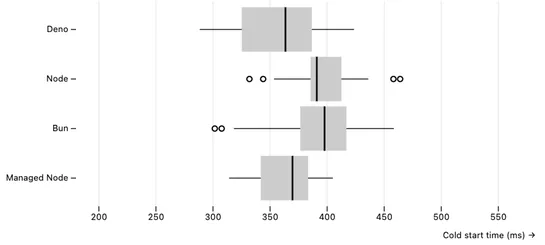
Deno consistently shows the lowest cold start times in AWS Lambda compared to other JavaScript runtimes. Benchmark results indicate Deno's cold start times are faster than both Node and Bun in Docker environments and VMs. Key factors include pre-initialized runtime caches and Docker optimizations... read more
The ongoing Docker Labs GenAI series explores AI developer tools to assist with various tasks in the software lifecycle. By equipping AI assistants with tools and best practices for Dockerfile generation, developers can vastly improve efficiency and quality in their projects. This alternative approa.. read more
Discover more about what's new at AWS with Meta Llama 3.1 generative AI models now available in Amazon Bedrock.. read more

Garman was AWS’s first product manager, helped build and launch a slew of core services, understands what it means to listen to customers, and stresses that security will always be the company’s number one priority... read more

Modern incident response platforms are essential tools for Site Reliability Engineers (SREs) to efficiently manage and resolve IT incidents. These platforms have transformed incident management by offering features like:
Single pane of glass: Consolidates information from various sources into one central location for better visibility and faster decision-making.
Automation: Automates routine tasks, reducing human error and freeing up SREs to focus on critical problem-solving.
Collaboration: Facilitates teamwork through integrated chat, shared dashboards, and alert routing.
By selecting a platform that seamlessly integrates with existing systems, is scalable, effectively manages alerts, and fosters real-time collaboration, organizations can significantly improve their incident response capabilities. Ultimately, modern incident response platforms are crucial for ensuring service reliability and delivering exceptional digital experiences.
Key benefits of using these platforms include: faster incident resolution, reduced downtime, improved efficiency, and enhanced collaboration among IT teams.
On-call management is crucial for maintaining uninterrupted service delivery. This blog emphasizes the importance of effective on-call scheduling and the benefits of using specialized software.
Key points include:
Challenges of on-call management: Balancing workloads, ensuring adequate coverage, and maintaining employee well-being.
Components of effective on-call management: Schedule design, staff availability, incident detection, and escalation procedures.
Benefits of on-call management software: Improved efficiency, communication, and visibility.
Best practices: Clear communication, fair rotations, adequate coverage, flexibility, incident response plans, regular reviews, and employee well-being.
Choosing the right software: Consider factors like ease of use, integration capabilities, scalability, features, and customer support.
By implementing these practices and utilizing appropriate software, organizations can optimize on-call operations, reduce incident response times, and enhance overall service reliability.
Discover the secrets to effective on-call scheduling. Learn about follow-the-sun vs. rotation schedules, best practices, and essential software features. Optimize your team's workload, reduce burnout, and ensure rapid incident resolution.
Blog Summary:Reducing Alert Noisewith Squadcast
Problem: Modern software platforms rely on complex interconnected microservices, which can lead to cascading failures and an overwhelming number of alerts.
Solution: Squadcast, an incident management platform, offers advanced deduplication features to reduce alert noise and improve on-call productivity.
Key Points:
Alert Noise: Excessive alerts can hinder productivity and lead to alert fatigue.
Microservices Complexity: Interdependent microservices increase the likelihood of cascading failures and alert storms.
Squadcast Deduplication:
Status-based deduplication: Controls alert generation based on incident status (triggered, suppressed, acknowledged).
Service dependency-based deduplication: Combines alerts from dependent services into a single incident.
Benefits:
Reduced alert fatigue
Improved incident response time
Better focus on critical issues
Use Cases:
High-failure rate services
Dependent services (e.g., database and payment gateway)
Overall: Squadcast's deduplication features provide granular control over alert management, helping organizations effectively handle complex alert scenarios and improve on-call efficiency.

