Join us

Learn How to Write AWS Lambda Functions with Three Architecture Layers

Learn How to Write AWS Lambda Functions with Three Architecture Layers

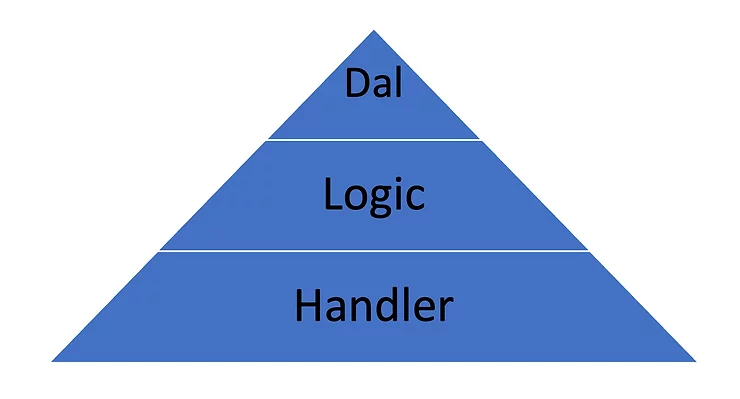
This blog post discusses the importance of using the 'handler, logic, and data access layer' architectural pattern in AWS Lambda functions.The three layers ensure well-organized, reusable, and easy-to-maintain code.

  • The handler layer is responsible for handling input validation and returning output to the caller.
  • The logic layer contains all business domain logic code.
  • The data access layer is responsible for accessing the database.
Custom exceptions should be used to ensure single responsibility concept and error handling is done by logging exceptions and re-raising them as relevant custom exceptions with the stack trace.


Let's keep in touch!

Stay updated with my latest posts and news. I share insights, updates, and exclusive content.

Unsubscribe anytime. By subscribing, you share your email with @faun and accept our Terms & Privacy.

Give a Pawfive to this post!


Only registered users can post comments. Please, login or signup.

Start writing about what excites you in tech — connect with developers, grow your voice, and get rewarded.

Join other developers and claim your FAUN.dev() account now!

Avatar

The FAUN

FAUN.dev()

@faun
The FAUN watches over the forest of developers. It roams between Kubernetes clusters, code caves, AI trails, and cloud canopies, gathering the signals that matter and clearing out the noise.
Developer Influence
3k

Influence

302k

Total Hits

3711

Posts