


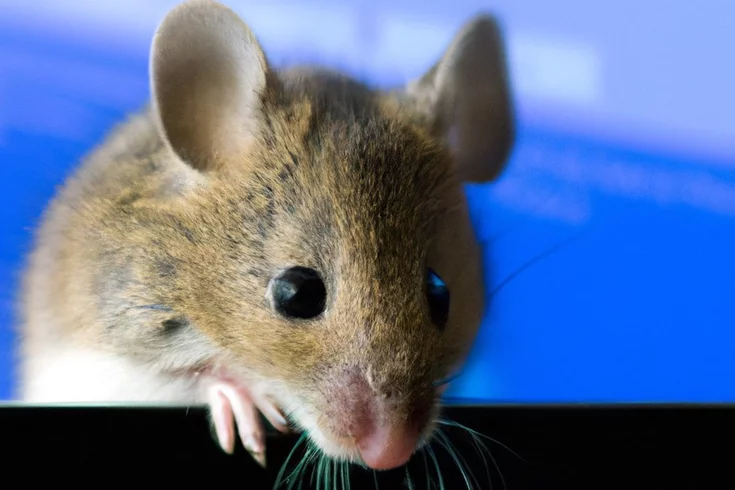
Researchers from École polytechnique fédérale de Lausanne (EPFL) have developed a machine-learning algorithm called CEBRA that can learn the hidden structure in neural code to reconstruct what a mouse sees when it watches a movie or the movements of the arm in primates.
- CEBRA is based on contrastive learning, a technique that enables researchers to consider neural data and behavioral labels like reward, measured movements, or sensory features such as colors or textures of images.
- CEBRA’s strengths include its ability to combine data across modalities, limit nuances, and reconstruct synthetic data. The algorithm has exciting potential applications in animal behavior, gene-expression data, and neuroscience research.


