Join us

ContentUpdates and recent posts about Flask..
Story Keploy Team
@sancharini shared a post, 1ย month, 4ย weeks ago

Software Deployment and Developer Confidence: Why Your Release Process Matters

Developer confidence in your software deployment process directly impacts shipping velocity, code quality, and team retention. Here's why your release process matters.

Story
@laura_garcia shared a post, 1ย month, 4ย weeks ago
Software Developer, RELIANOID

๐—ช๐—ผ๐—ฟ๐—น๐—ฑ ๐—–๐—ฟ๐—ฒ๐—ฎ๐˜๐—ถ๐˜ƒ๐—ถ๐˜๐˜† ๐—ฎ๐—ป๐—ฑ ๐—œ๐—ป๐—ป๐—ผ๐˜ƒ๐—ฎ๐˜๐—ถ๐—ผ๐—ป ๐——๐—ฎ๐˜† ๐Ÿฎ๐Ÿฌ๐Ÿฎ๐Ÿฒ

๐ŸŒ ๐—ช๐—ผ๐—ฟ๐—น๐—ฑ ๐—–๐—ฟ๐—ฒ๐—ฎ๐˜๐—ถ๐˜ƒ๐—ถ๐˜๐˜† ๐—ฎ๐—ป๐—ฑ ๐—œ๐—ป๐—ป๐—ผ๐˜ƒ๐—ฎ๐˜๐—ถ๐—ผ๐—ป ๐——๐—ฎ๐˜† ๐Ÿฎ๐Ÿฌ๐Ÿฎ๐Ÿฒ At RELIANOID, creativity and innovation are not just concepts we celebrate once a yearโ€”they are embedded in everything we build, deliver, and improve every day. In a world where digital services must be ๐—ณ๐—ฎ๐˜€๐˜๐—ฒ๐—ฟ, ๐—บ๐—ผ๐—ฟ๐—ฒ ๐˜€๐—ฒ๐—ฐ๐˜‚๐—ฟ๐—ฒ, ๐—ฎ๐—ป๐—ฑ ๐—ฎ๐—น๐˜„๐—ฎ๐˜†๐˜€ ๐—ฎ๐˜ƒ๐—ฎ๐—ถ๐—น๐—ฎ๐—ฏ๐—น๐—ฒ, innovatio..

World-Creativity-and-Innovation-Day RELIANOID_2026
Story Keploy Team
@sancharini shared a post, 1ย month, 4ย weeks ago

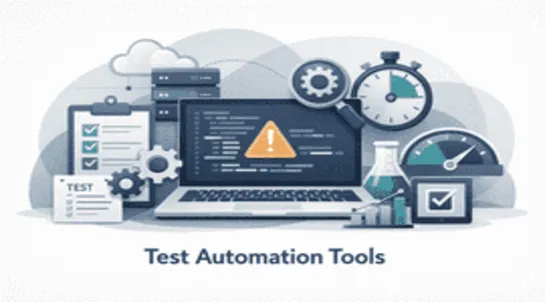
Test Automation Tools Comparison: Keploy vs Selenium

Explore a practical comparison of test automation tools like Keploy and Selenium. Learn how their approaches differ in test creation, maintenance, and scalability in modern development workflows.
Test Automation Tools Comparison: Keploy vs Selenium
Story Trending
@laura_garcia shared a post, 2ย months ago
Software Developer, RELIANOID

๐—–๐—ผ๐—ป๐—ณ๐Ÿฐ๐Ÿฎ ๐—–๐—น๐—ผ๐˜‚๐—ฑ ๐—ก๐—ฎ๐˜๐—ถ๐˜ƒ๐—ฒ ๐Ÿฎ๐Ÿฌ๐Ÿฎ๐Ÿฒ

- ๐—–๐—ผ๐—ป๐—ณ๐Ÿฐ๐Ÿฎ ๐—–๐—น๐—ผ๐˜‚๐—ฑ ๐—ก๐—ฎ๐˜๐—ถ๐˜ƒ๐—ฒ ๐Ÿฎ๐Ÿฌ๐Ÿฎ๐Ÿฒ | ๐—”๐—ฝ๐—ฟ๐—ถ๐—น ๐Ÿฎ๐Ÿฏ | ๐—ข๐—ป๐—น๐—ถ๐—ป๐—ฒ Join Conf42 Cloud Native 2026 โ€” a global virtual event focused on cloud-native technologies, Kubernetes, and modern infrastructure. - ๐—ช๐—ต๐—ฎ๐˜ ๐˜๐—ผ ๐—ฒ๐˜…๐—ฝ๐—ฒ๐—ฐ๐˜: Kubernetes & containerization Cloud security & DevSecOps Microservices & scalability Observability & au..
conf42 cloud native 2026 online relianoid
Link
@simme shared a link, 2ย months ago
Senior Engineering Manager, @canonical

Boring code is an organizational tell

Boring code is an organizational symptom, not an aesthetic failure. Co-change patterns in version control reveal team boundaries before any retrospective does; ownership concentration predicts defects better than code complexity metrics. With agents removing the friction that contained clever code accumulation, the incentive structures that produce boring code have never mattered more.

gradients
Story
@cloudsignals shared a post, 2ย months ago
Director - Cloud Engineering, osttra

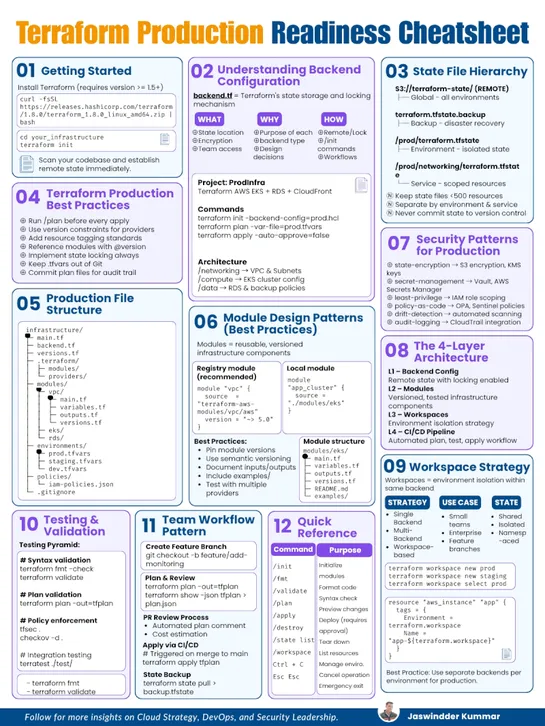
Terraform Production Readiness Cheatsheet

Terraform Terragrunt

Terraform working isnโ€™t enough. Learn what it takes to make it production-ready โ€” from backend design to security and automated pipelines.
Terraform Production Readiness Cheatsheet
Story
@cloudsignals shared a post, 2ย months ago
Director - Cloud Engineering, osttra

DevSecOps: Rapid & Secure Delivery

SonarQube Vault Kyverno Open Policy Agent (OPA) Trivy

If security is your last step, youโ€™re already too late. This guide shows how to build a DevSecOps pipeline where security is continuous, automated, and invisible to delivery speed.
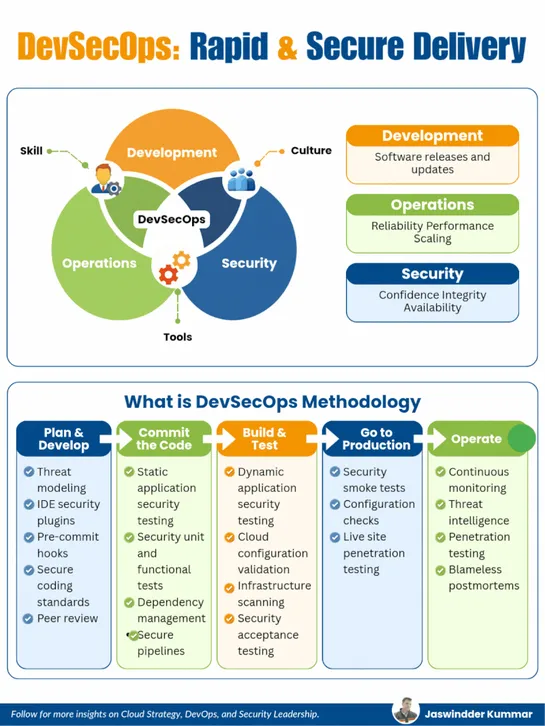
DevSecOps - Rapid & Secure Delivery
Link
@varbear shared a link, 2ย months ago
FAUN.dev()

I told Claude Code to build me an executive assistant. This is what my work as CTO looks like now

CTO at ZAR shares his experience managing 10 engineers, shipping code, and operating at the C-level with an AI assistant named Claude Code. The system allows him to maintain context across multiple workstreams, automate tasks, and scale his productivity. In just three weeks, he has documented 82 mee.. read more ย 

Link
@varbear shared a link, 2ย months ago
FAUN.dev()

GitHub backs down, kills Copilot PR โ€˜tipsโ€™ after backlash

GitHub revoked Copilot's ability to inject tips into other users' pull requests after reports that Copilot Review inserted aRaycastlink. They disabled agent tips in PR comments, blamed a programming-logic bug, and said they won't turn tips into ads... read more ย 

GitHub backs down, kills Copilot PR โ€˜tipsโ€™ after backlash
Link
@varbear shared a link, 2ย months ago
FAUN.dev()

Python 3.3: The Version That Quietly Rewired Everything

Python 3.3 introduced three key features that have had a lasting impact on Python development. Firstly, yield from simplified the composition of generators by allowing easy delegation between them. Secondly, venv standardized virtual environments in Python, improving isolation and reproducibility of.. read more ย 
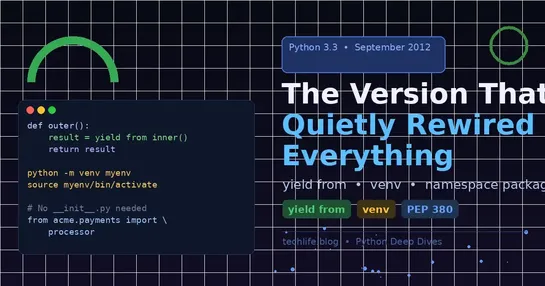
Python 3.3: The Version That Quietly Rewired Everything
Flask is an open-source web framework written in Python and created by Armin Ronacher in 2010. It is known as a microframework, not because it is weak or incomplete, but because it provides only the essential building blocks for developing web applications. Its core focuses on handling HTTP requests, defining routes, and rendering templates, while leaving decisions about databases, authentication, form handling, and other components to the developer. This minimalistic design makes Flask lightweight, flexible, and easy to learn, but also powerful enough to support complex systems when extended with the right tools.

At the heart of Flask are two libraries: Werkzeug, which is a WSGI utility library that handles the low-level details of communication between web servers and applications, and Jinja2, a templating engine that allows developers to write dynamic HTML pages with embedded Python logic. By combining these two, Flask provides a clean and pythonic way to create web applications without imposing strict architectural patterns.

One of the defining characteristics of Flask is its explicitness. Unlike larger frameworks such as Django, Flask does not try to hide complexity behind layers of abstraction or dictate how a project should be structured. Instead, it gives developers complete control over how they organize their code and which tools they integrate. This explicit nature makes applications easier to reason about and gives teams the freedom to design solutions that match their exact needs. At the same time, Flask benefits from a vast ecosystem of extensions contributed by the community. These extensions cover areas such as database integration through SQLAlchemy, user session and authentication management, form validation with CSRF protection, and database migration handling. This modular approach means a developer can start with a very simple application and gradually add only the pieces they require, avoiding the overhead of unused components.

Flask is also widely appreciated for its simplicity and approachability. Many developers write their first web application in Flask because the learning curve is gentle, the documentation is clear, and the framework itself avoids unnecessary complexity. It is particularly well suited for building prototypes, REST APIs, microservices, or small to medium-sized web applications. At the same time, production-grade deployments are supported by running Flask applications on WSGI servers such as Gunicorn or uWSGI, since the development server included with Flask is intended only for testing and debugging.

The strengths of Flask lie in its minimalism, flexibility, and extensibility. It gives developers the freedom to assemble their application architecture, choose their own libraries, and maintain tight control over how things work under the hood. This is attractive to experienced engineers who dislike being boxed in by heavy frameworks. However, the same freedom can become a limitation. Flask does not include features like an ORM, admin interface, or built-in authentication system, which means teams working on very large applications must take on more responsibility for enforcing patterns and maintaining consistency. In situations where a project requires an opinionated, all-in-one solution, Django or another full-stack framework may be a better fit.

In practice, Flask has grown far beyond its initial positioning as a lightweight tool. It has been used by startups for rapid prototypes and by large companies for production systems. Its design philosophyโ€”keep the core simple, make extensions easy, and let developers decideโ€”continues to attract both beginners and professionals. This balance between simplicity and power has made Flask one of the most enduring and widely used Python web frameworks.