Send emails with Bolt.new and Mailtrap


Learn how to integrate Mailtrap with your Bolt.new application to send transactional emails and manage contacts without writing complex code.
Join us
 Updates and recent posts about Magika..
Learn how to integrate Mailtrap with your Bolt.new application to send transactional emails and manage contacts without writing complex code.

Understand Kubernetes APM by linking request flows with pod, node, and cluster data to get complete visibility at scale.


The Smart Wave platform is key for real-time telemetry from offshore buoys, vessels, and coastal stations. But how do you ensure it performs reliably — even over satellite links? We've published a new technical guide showing how to load balance Smart Wave using RELIANOID: ✅ MQTT & TCP ingestion for ..


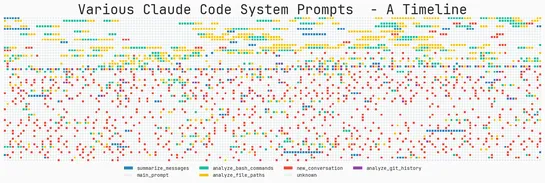
Claude Code skips the multi-agent circus. One main loop. At most, one fork in the road. Everything runs through a flat message history, tracked by a tidy little to-do list. Over half its LLM calls? Outsourced to lighter, cheaper models likeclaude-3-5-haiku. Smart split: heavyweight reasoning when y.. read more
RunningBIND on Fedora with Podmanputs you in the driver’s seat—local DNS, full zone control, and no third-party middlemen. It handles staticforward/reverse zonesacross multiple IPv4 subnets, skips the mess of dynamic updates, and plugs into your router as a recursiveforwarding resolver. Call it a se.. read more

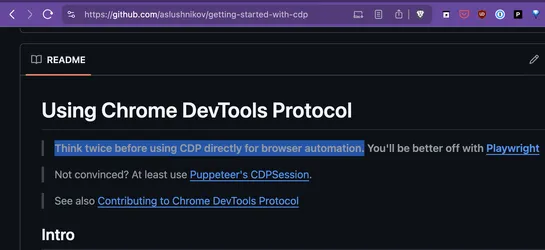
The Browser-Use crew ditched Playwright and went straight to the Chrome DevTools Protocol. Why? Speed. Way faster element scraping, screenshots, and async automation. They didn't stop there—cooked up a custom CDP Python client with strong type safety, an event-driven core, and real support for crash.. read more
Redis is buyingDecodable, the real-time streaming startup, to crank up itsRedis Data Integration (RDI)and beef up real-time data ingestion. Decodable’s stack lands in Redis Cloud first, syncing outside data into Redis fast enough to feed hungry AI agents real context. What's really happening:Redis i.. read more

Check out TechRepublic's events guide for a list of upcoming conferences, some of which are in-person and others that are virtual or hybrid. This list will be updated periodically to include new events and details... read more
Calm gutted a 10-year-old Rush.js monorepo and came out faster, cleaner, and way less tangled. The team dropped transpilation, ditched source maps, and went all-in onNode type strippingwithnative ESM. Local dev sped up by 30–40%. CI jobs? 3–6 minutes faster. The overhaul hit everything: killed stubb.. read more
New tutorials dig into usingLabel Studio + Dockerto tighten up object detection pipelines—and how to squeeze more out ofRabbitMQ + Celerywithout breaking your queue (or your spirit). Other writeups get into the weeds with LLM monitoring,Bayesian hyperparameter search, and Google’s freshly droppedLan.. read more