Join us

ContentUpdates and recent posts about NanoClaw..
Story WPWeb Infotech Team
@rafidbottler shared a post, 1ย day, 21ย hours ago
Full Stack Engineer, WPWeb Infotech

Angular vs React: Which Framework Is Better for Web Development?

Angular vs React: discover the main differences, performance, and use cases to choose the best framework for modern web development projects in 2026.
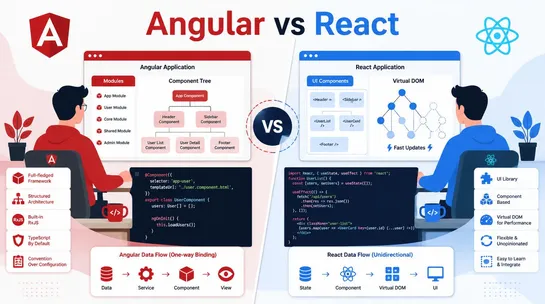
Angular vs React
Story
@viktoriiagolovtseva shared a post, 2ย days ago

How to Make Your Jira Sprint Planning Really Agile

You know the drill:build a product roadmap in Jira, create your product backlog, review it, update the user stories, come up with a sprint goal before the meeting, and finally, review every story to decide which ones need to be completed this sprint. Easier said than done, right? Well-planned sprint..
Zrzut ekranu 2026-04-29 152303
Story
@laura_garcia shared a post, 2ย days, 1ย hour ago
Software Developer, RELIANOID

Not all ๐—ฑ๐—ถ๐—ด๐—ถ๐˜๐—ฎ๐—น ๐—ฐ๐—ฒ๐—ฟ๐˜๐—ถ๐—ณ๐—ถ๐—ฐ๐—ฎ๐˜๐—ฒ๐˜€ are created equal

๐Ÿšจ Not all ๐—ฑ๐—ถ๐—ด๐—ถ๐˜๐—ฎ๐—น ๐—ฐ๐—ฒ๐—ฟ๐˜๐—ถ๐—ณ๐—ถ๐—ฐ๐—ฎ๐˜๐—ฒ๐˜€ are created equal. From ๐——๐—ฉ, ๐—ข๐—ฉ, ๐—˜๐—ฉ ๐˜๐—ผ ๐—บ๐—ง๐—Ÿ๐—ฆ ๐—ฐ๐—น๐—ถ๐—ฒ๐—ป๐˜ ๐—ฐ๐—ฒ๐—ฟ๐˜๐˜€ and ๐—ฐ๐—ผ๐—ฑ๐—ฒ ๐˜€๐—ถ๐—ด๐—ป๐—ถ๐—ป๐—ด, each plays a different role in your security posture. ๐Ÿ” Encryption is just the beginning: โ†’ Identity validation โ†’ Trust chains (Root โ†’ Intermediate โ†’ Leaf) โ†’ Secure software delivery โ†’ Zero Trust..

Story WrapPixel Team
@sanjayjoshi shared a post, 2ย days, 1ย hour ago

8+ Shadcn Combobox Components for React & Nextjs Projects

Shadcn combobox components are more than just UI elements theyโ€™re productivity boosters. They simplify complex selections, enhance usability, and make your applications feel fast and modern.
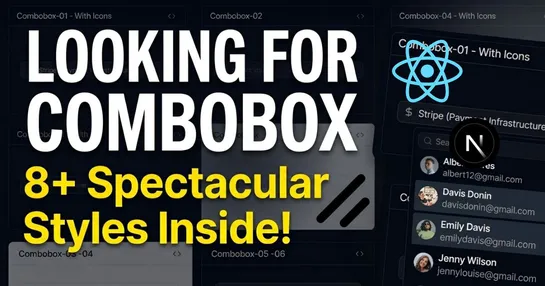
Shadcn Combobox Cover pic OG image
ย Activity
@rafidbottler created an organization WPWeb Infotech , 2ย days, 2ย hours ago.
Story
@cloudsignals shared a post, 2ย days, 10ย hours ago
Director - Cloud Engineering, osttra

From Hunters to Algorithms: How AI Is Rewriting the Rules of Vulnerability Discovery

Security has entered its algorithmic era. AI is rapidly transforming vulnerability discovery by scanning code at scale, uncovering hidden patterns, and accelerating detection beyond human limits. For maintainers, this means shifting from reactive patching to intelligent triage and secure-by-design systems. For bug hunters, success now lies in combining AI speed with human creativity to uncover deeper, context-driven flaws. The future of security isnโ€™t human vs machineโ€”itโ€™s human amplified by machine.

AI-driven vulnerability discovery concept showing a split human and artificial intelligence face analyzing cybersecurity threats, with dashboards displaying SQL injection detection, risk score, and automated code analysis in a futuristic interface.
ย Activity
@koukibadr started using tool Mapbox GL JS , 2ย days, 18ย hours ago.
ย Activity
@koukibadr started using tool Google Maps , 2ย days, 18ย hours ago.
ย Activity
@koukibadr started using tool GitLab CI/CD , 2ย days, 18ย hours ago.
ย Activity
@koukibadr started using tool GitHub Pages , 2ย days, 18ย hours ago.
NanoClaw is an open-source personal AI agent designed to run locally on your machine while remaining small enough to fully understand and audit. Built as a lightweight alternative to larger agent frameworks, the system runs as a single Node.js process with roughly 3,900 lines of code spread across about 15 source files.

The agent integrates with messaging platforms such as WhatsApp and Telegram, allowing users to interact with their AI assistant directly through familiar chat applications. Each conversation group operates independently and maintains its own memory and execution environment.

A core design principle of NanoClaw is security through isolation. Every agent session runs inside its own container using Docker or Apple Container, ensuring that the agent can only access files and resources that are explicitly mounted. This approach relies on operating systemโ€“level sandboxing rather than application-level permission checks.

The architecture is intentionally simple: a single orchestrator process manages message queues, schedules tasks, launches containerized agents, and stores state in SQLite. Additional functionality can be added through a modular skills system, allowing users to extend capabilities without increasing the complexity of the core codebase.

By combining a minimal architecture with container-based isolation and messaging integration, NanoClaw aims to provide a transparent, customizable personal AI agent that users can run and control entirely on their own infrastructure.