ContentPosts from @cobra16319..
Link
@faun shared a link, 1 year, 5 months ago
FAUN.dev()

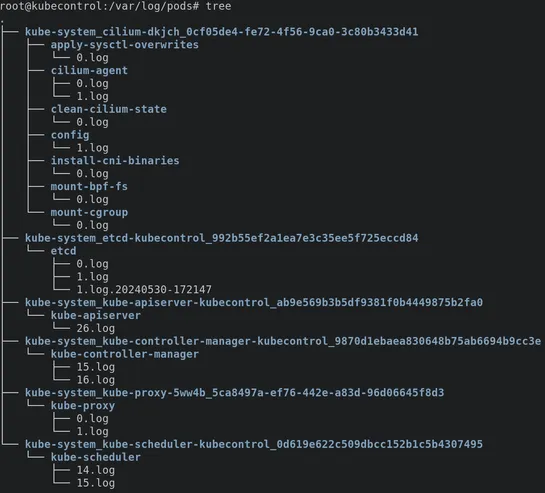
A Guide To Kubernetes Logs That Isn't A Vendor Pitch

A technical guide to logging at each cluster layer with a focus on AuditPolicy is provided. Logging in Kubernetes clusters can be done at the application, container, cluster, and cloud levels, with different types of logs serving specific purposes. AuditPolicy, which generates audit logs, is importa.. read more  

A Guide To Kubernetes Logs That Isn't A Vendor Pitch
Link
@faun shared a link, 1 year, 5 months ago
FAUN.dev()

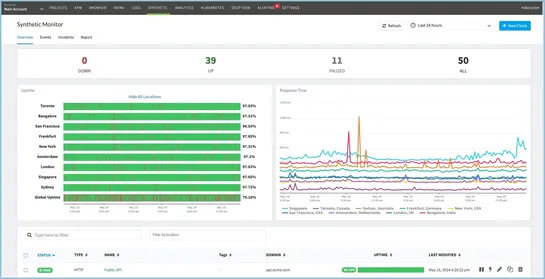
Top API Monitoring Tools - 2024's Guide

Explore various API monitoring approaches and find the right API monitoring tool through step-by-step guidance... read more  

Top API Monitoring Tools - 2024's Guide
Link
@faun shared a link, 1 year, 5 months ago
FAUN.dev()

Things you wish you didn't need to know about S3

S3 is weirder than you think. Make sure you know all the quirks before they turn into vulnerabilities in your AWS infrastructure... read more  

Things you wish you didn't need to know about S3
Link
@faun shared a link, 1 year, 5 months ago
FAUN.dev()

Harnessing the Synergy of Industrial DevOps and Digital Twins

The Spring 2024 issue of the Enterprise Technology Leadership Journal explores the transformative potential of integrating Industrial DevOps principles with digital twin technology. This integration streamlines development processes, improves quality, and reduces time-to-market by creating a seamles.. read more  

Link
@faun shared a link, 1 year, 5 months ago
FAUN.dev()

Which Log Level?

A colleague shared an article on logging levels, emphasizing the importance of a shared understanding among developers to prevent severity inflation. The recommended logging levels are ERROR, WARN, INFO, and DEBUG, each serving a specific purpose in production and development environments. It's cruc.. read more  

Which Log Level?
Link
@faun shared a link, 1 year, 5 months ago
FAUN.dev()

DevOps and SRE Metrics: R.E.D., U.S.E., and the "Four Golden Signals"

Success in DevOps and SRE hinges on effective monitoring through metrics frameworks like R.E.D., U.S.E., and the "Four Golden Signals." R.E.D. focuses on Request rate, Error rate, and Duration. U.S.E. centers on Utilization, Saturation, and Errors. The "Four Golden Signals" highlight Latency, Traffi.. read more  

DevOps and SRE Metrics: R.E.D., U.S.E., and the "Four Golden Signals"
Story
@laura_garcia shared a post, 1 year, 5 months ago
Software Developer, RELIANOID

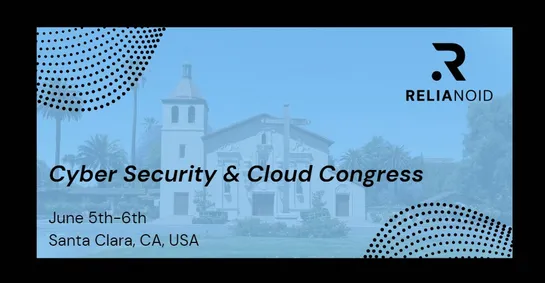
Cyber Security & Cloud Congress North America 2024

Hi! Part of the American team of RELIANOID will be attending the Cyber Security & Cloud Congress North America 2024 today at the Santa Clara Convention Center. We're thrilled to join over 7,000 professionals in exploring the latest advancements in cybersecurity and cloud technology. With over 250 ex..

Cyber Security and Cloud Congress Santa Clara RELIANOI
Story
@shurup shared a post, 1 year, 5 months ago
@palark

werf v2: how this CI/CD tool evolved and why it came up with Nelm instead of Helm

Helm Kubernetes werf

werf is a CLI tool for CI/CD created in 2016 and a CNCF Sandbox project since 2022. It implements opinionated CI/CD in Kubernetes with your favourite CI system. Starting from werf v2, it uses Nelm instead of Helm to deploy container images.

werf v2 release and evolution with Helm
Story
@umang01-hash shared a post, 1 year, 5 months ago
SDE 2, gofr.dev

Writing Production-Grade Microservices in Golang

Deploying microservices to production is a significant milestone for any development team. Ensuring your services are stable, reliable, and capable of handling production loads requires careful planning and robust implementation. Taking your microservices from development to production introduces a new set of challenges. Ensuring stability, handling high traffic loads, and maintaining seamless communication between services are paramount for success.

This article explores the essential requirements for building production-grade microservices in Golang, including robust error handling, reliable database connectivity, and effective communication channels.

Finally, we’ll introduce GoFr, a powerful Golang framework designed to streamline microservice development. GoFr provides built-in features for health checks, structured logging, metrics support, and distributed tracing, ensuring a seamless and performant microservice experience. Join us as we delve into the specifics of building production-ready microservices in Golang with GoFr.

Writing Production Grade Microservices In Golang
Story
@adammetis shared a post, 1 year, 5 months ago
DevRel, Metis

Adopting Database Guardrails - Cultural Shift

Achieving database reliability is not easy. We need to take care of many components, like data integrity, recoverability, performance, and security. However, we need to do it no matter who we are and what our business is. Our customers demand that. The reliability of a database directly impacts the efficiency, reputation, and success of an organization, making it an indispensable asset in today's data-driven world.

3 Things Database Reliability Is Not About@2x