How I built 21 products in 2 years
In 2017, the author built a startup that made $0 in revenue. In 2023, they launched 10 products and made $263,000. The key to success for solopreneurs is speed in idea generation and execution... read more
 Posts from @pawel_kasperek..
In 2017, the author built a startup that made $0 in revenue. In 2023, they launched 10 products and made $263,000. The key to success for solopreneurs is speed in idea generation and execution... read more

And look at the books for programmers the author recommends you read in 2024. (34 books).. read more
A brief conversation about the Clean Architecture approach and why some teams struggle with it... read more

There are hundreds or probably thousands of Python best practices out there and depending on who you ask, you would get some slight variation on a given practice. But in this article, we will be dealing with 50 Python best practices that are set in stone. These are practices that even God himself ca.. read more

Hudy built an open-source project manager to keep operational costs below $15 per month, after finding traditional tools like Trello, Jira, and Clickup to be too costly for their small team. Leveraging platforms like Vercel, AWS, Resend, and Cloudflare, they were able to keep costs low. The app incl.. read more
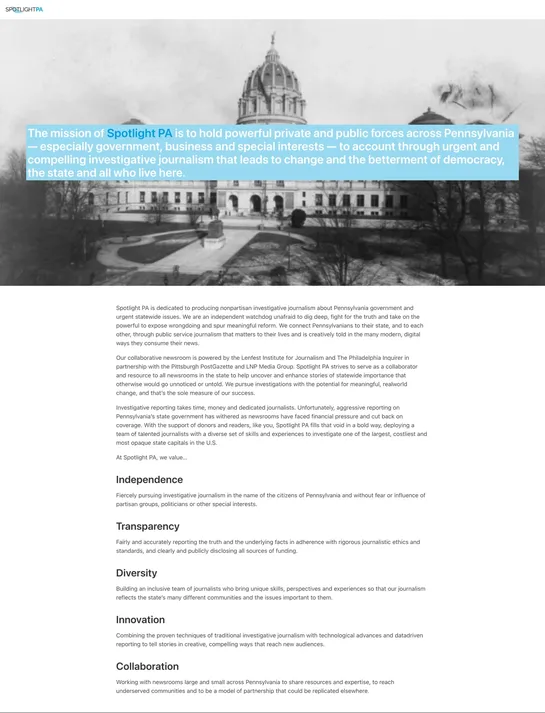
The Director of Technology at Spotlight PA shared insights on the history and architecture of the news site, detailing the evolution of their technical setup and the challenges faced along the way. The site was initially built on Hugo and JAMStack, later incorporating dynamic services to enhance fun.. read more
The Y2K bug was a computer glitch tied to the use of two-digit year representations. Developers resolved the issue by working with languages like COBOL that used goto statements. Identifying dependencies is crucial in software development to prevent issues like the Y2K bug... read more

The architecture of LLaMA 3 is largely similar to LLaMA 2, and these are the key points to understand the technical details. LLaMA 3 features components like Pre-normalization using RMSNorm, SwiGLU activation function, Rotary Embeddings (RoPE), and the Byte Pair Encoding (BPE) algorithm from the tik.. read more

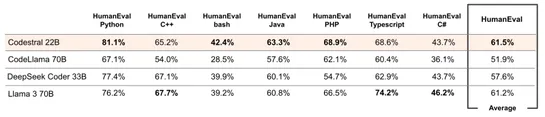
The open, non-commercially licensed model specializes in more than 80 languages and already outperforms CodeLlama 70B and Deepseek Coder 33B... read more

This blog post discusses DevOps automation and its benefits for streamlining workflows, reducing errors, and expediting software delivery. It explores real-world use cases such as CI/CD pipelines, Infrastructure as Code (IaC), and automated monitoring & alerting. The blog also addresses challenges like cultural resistance and skills gaps, providing solutions to overcome them. Here are the key takeaways:
DevOps automation automates software development, IT operations, and delivery tasks.
Benefits include faster deployments, fewer errors, and improved resource utilization.
Common use cases involve CI/CD, IaC, and automated monitoring & alerting.
Challenges include cultural resistance, skills gaps, and tool selection.
To succeed, continuously assess tools, prioritize learning, and embrace experimentation.
By adopting DevOps automation, teams can become leaders in delivering high-quality software faster and more efficiently.

