Join us

ContentUpdates and recent posts about Pelagia..
Story
@laura_garcia shared a post, 1 month ago
Software Developer, RELIANOID

how to migrate ADC services from Array Networks APV Series to RELIANOID—step by step.

Migrating from legacy ADC platforms doesn’t have to be complex. In our latest Knowledge Base article, we walk you through how to migrate ADC services from Array Networks APV Series to RELIANOID—step by step. 🔍 What you’ll find inside: - Clear terminology mapping between both platforms - Practical mi..
Knowledge base migrate ADC services from ARRAY NETWORKS APV SERIES to RELIANOID
Story
@laura_garcia shared a post, 1 month ago
Software Developer, RELIANOID

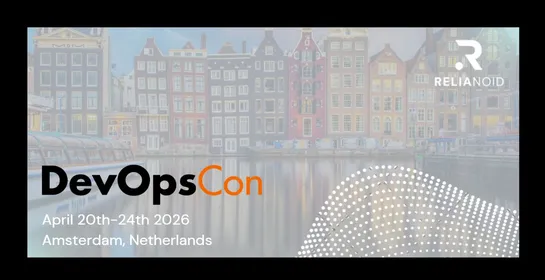
DevOpsCon Amsterdam 2026

- 𝗗𝗲𝘃𝗢𝗽𝘀𝗖𝗼𝗻 𝗔𝗺𝘀𝘁𝗲𝗿𝗱𝗮𝗺 𝟮𝟬𝟮𝟲 𝗶𝘀 𝗷𝘂𝘀𝘁 𝗮𝗿𝗼𝘂𝗻𝗱 𝘁𝗵𝗲 𝗰𝗼𝗿𝗻𝗲𝗿! - Amsterdam, Netherlands April 20–24, 2026 Simplify complexity, amplify agility, and accelerate innovation. Join DevOpsCon Amsterdam 2026 — one of the leading conferences for professionals working with CI/CD, Kubernetes, Platform Engineering, ..

devopscon amsterdam april 26
Story WrapPixel Team
@sanjayjoshi shared a post, 1 month ago

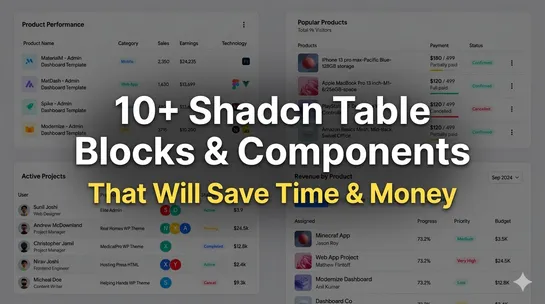
10+ Shadcn Table Components, Blocks & Tools

A curated list of Shadcn table components and blocks you can use in React and Next.js projects to build clean, flexible, and production-ready data tables faster.

Thumbnail Shadcn Table
Story Keploy Team
@sancharini shared a post, 1 month ago

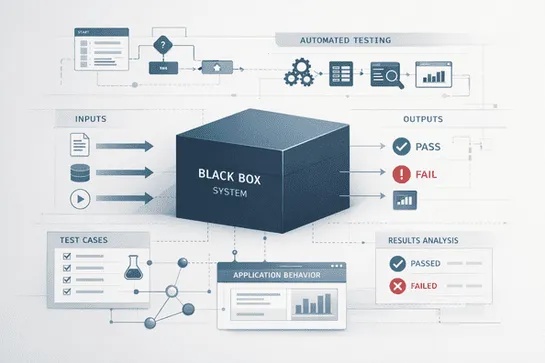
Black Box Testing Techniques to Improve Test Coverage

Learn black box testing techniques to improve test coverage. Explore methods like equivalence partitioning, boundary value analysis, and more with practical examples.

black box testing techniques
Story
@laura_garcia shared a post, 1 month ago
Software Developer, RELIANOID

𝗪𝗼𝗿𝗹𝗱 𝗤𝘂𝗮𝗻𝘁𝘂𝗺 𝗗𝗮𝘆

🚀 𝗪𝗼𝗿𝗹𝗱 𝗤𝘂𝗮𝗻𝘁𝘂𝗺 𝗗𝗮𝘆 𝗶𝘀 𝗵𝗲𝗿𝗲… and it’s not just science fiction anymore. Quantum computing is rapidly moving from theory to reality—and with it comes a 𝗺𝗮𝘀𝘀𝗶𝘃𝗲 𝘀𝗵𝗶𝗳𝘁 𝗶𝗻 𝗰𝘆𝗯𝗲𝗿𝘀𝗲𝗰𝘂𝗿𝗶𝘁𝘆 that organizations simply can’t ignore. Here’s the uncomfortable truth: 👉 The same technology that promises breakthrou..

quantum_computing_relianoid
Link
@hamzmu shared a link, 1 month ago
Fellow, Rootly

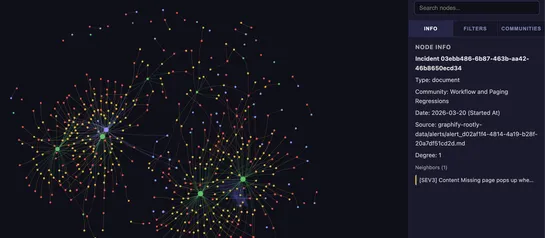
Using Graphify to turn Incident Data into a Knowledge Graph

Karpathy said we should build LLM knowledge bases. 48 hours later made Graphify was made: one command, full semantic knowledge graph.

We applied the idea to incident data turning them into a queryable and interactable semantic graph. This lets us see past fixes, predict failures, cluster services, cut alert noise, and reveal team load in seconds.

If you’re using Rootly, here is a small plugin to explore your incident data.

Check it out: github.com/Rootly-AI-Labs/rootly-graphify-importer

Interactive knowledge graph visualization of incident management data showing clustered services, alerts, and responders with connected nodes and relationships in Graphify
Story
@laura_garcia shared a post, 1 month ago
Software Developer, RELIANOID

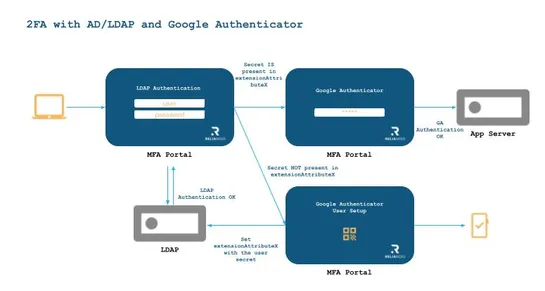
Strengthen Your MFA with Google Authenticator and RELIANOID

🔐 Strengthen Your MFA with Google Authenticator and RELIANOID At RELIANOID, we take authentication seriously. We've just published a new technical guide on how to integrate Google Authenticator into the RELIANOID MFA Portal, using Active Directory or LDAP to manage user secrets. ✅ Understand TOTP vs..

2FA with AD_LDAP and Google Authenticator
Story
@habiledata shared a post, 1 month, 1 week ago
HabileData

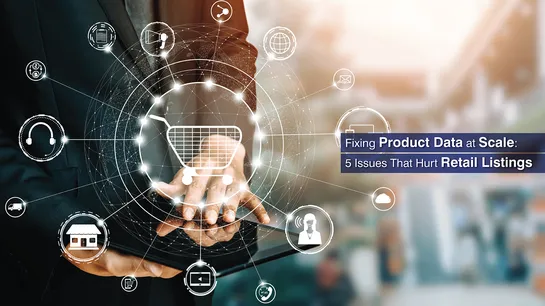
5 Product Data Quality Issues in Multi-Channel Retail and How to Address Them

Weaknesses in product data expose themselves quickly in a multi-channel retail environment. Define a master schema, maintain control of your inventory and pricing via rules, continuously monitor for compliance, and connect performance metrics to the precise changes made for each SKU.

fixing-product-data-at-scale-5-issues-that-hurt-retail-listings
Story
@laura_garcia shared a post, 1 month, 1 week ago
Software Developer, RELIANOID

RELIANOID NIS360 Alignment & Compliance

🔐 RELIANOID NIS360 Alignment & Compliance At RELIANOID, we align our security strategy with the ENISA NIS360 Cyber Risk framework—helping organizations in critical sectors strengthen resilience and improve cybersecurity maturity. From governance and risk management to incident readiness and supply..

enisa nis360 relianoid
Story HitechDigital Solutions Team
@hitechdigital shared a post, 1 month, 1 week ago
Business Consulting, HitechDigital Solutions

How SolidWorks Sheet Metal CAD Drafting Delivers Shop-Ready Drawings

Fabricating sheet metal requires documentation that describes the designer’s intent of how to manufacture the part. By linking parametric 3D models directly to manufacturing documentation viasheet metal CAD draftingin SolidWorks, each dimension, bend note, and flat pattern is the same as what has be..

How SolidWorks Sheet Metal CAD Drafting Delivers Shop-Ready Drawings
Pelagia is a Kubernetes controller that provides all-in-one management for Ceph clusters installed by Rook. It delivers two main features:

Aggregates all Rook Custom Resources (CRs) into a single CephDeployment resource, simplifying the management of Ceph clusters.
Provides automated lifecycle management (LCM) of Rook Ceph OSD nodes for bare-metal clusters. Automated LCM is managed by the special CephOsdRemoveTask resource.

It is designed to simplify the management of Ceph clusters in Kubernetes installed by Rook.

Being solid Rook users, we had dozens of Rook CRs to manage. Thus, one day we decided to create a single resource that would aggregate all Rook CRs and deliver a smoother LCM experience. This is how Pelagia was born.

It supports almost all Rook CRs API, including CephCluster, CephBlockPool, CephFilesystem, CephObjectStore, and others, aggregating them into a single specification. We continuously work on improving Pelagia's API, adding new features, and enhancing existing ones.

Pelagia collects Ceph cluster state and all Rook CRs statuses into single CephDeploymentHealth CR. This resource highlights of Ceph cluster and Rook APIs issues, if any.

Another important thing we implemented in Pelagia is the automated lifecycle management of Rook Ceph OSD nodes for bare-metal clusters. This feature is delivered by the CephOsdRemoveTask resource, which automates the process of removing OSD disks and nodes from the cluster. We are using this feature in our everyday day-2 operations routine.