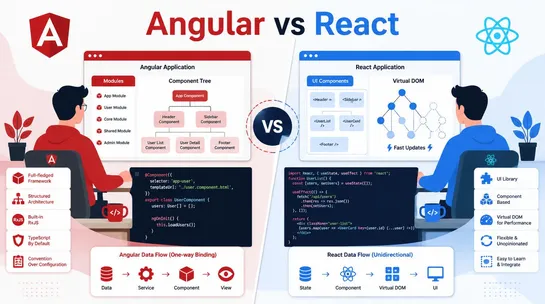
Angular vs React: Which Framework Is Better for Web Development?
Angular vs React: discover the main differences, performance, and use cases to choose the best framework for modern web development projects in 2026.
Join us
 Updates and recent posts about vLLM..

Angular vs React: discover the main differences, performance, and use cases to choose the best framework for modern web development projects in 2026.

You know the drill:build a product roadmap in Jira, create your product backlog, review it, update the user stories, come up with a sprint goal before the meeting, and finally, review every story to decide which ones need to be completed this sprint. Easier said than done, right? Well-planned sprint..


🚨 Not all 𝗱𝗶𝗴𝗶𝘁𝗮𝗹 𝗰𝗲𝗿𝘁𝗶𝗳𝗶𝗰𝗮𝘁𝗲𝘀 are created equal. From 𝗗𝗩, 𝗢𝗩, 𝗘𝗩 𝘁𝗼 𝗺𝗧𝗟𝗦 𝗰𝗹𝗶𝗲𝗻𝘁 𝗰𝗲𝗿𝘁𝘀 and 𝗰𝗼𝗱𝗲 𝘀𝗶𝗴𝗻𝗶𝗻𝗴, each plays a different role in your security posture. 🔐 Encryption is just the beginning: → Identity validation → Trust chains (Root → Intermediate → Leaf) → Secure software delivery → Zero Trust..

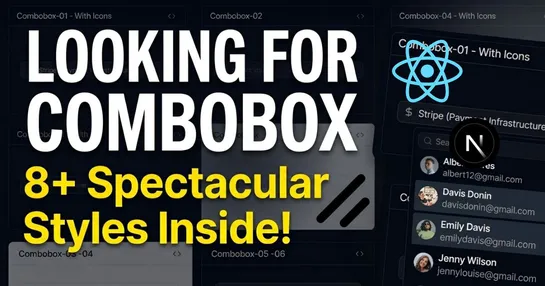
Shadcn combobox components are more than just UI elements they’re productivity boosters. They simplify complex selections, enhance usability, and make your applications feel fast and modern.

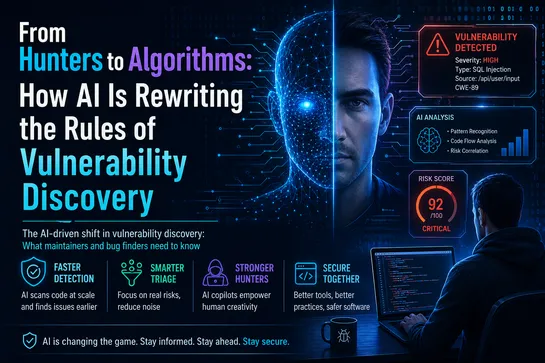
Security has entered its algorithmic era. AI is rapidly transforming vulnerability discovery by scanning code at scale, uncovering hidden patterns, and accelerating detection beyond human limits. For maintainers, this means shifting from reactive patching to intelligent triage and secure-by-design systems. For bug hunters, success now lies in combining AI speed with human creativity to uncover deeper, context-driven flaws. The future of security isn’t human vs machine—it’s human amplified by machine.