AS400 Modernization Services in 2026: From Green Screen to Modern UX
For years, the green screen became the unofficial symbol of stability inside enterprise IT.
Join us
 Updates and recent posts about FastMCP..
For years, the green screen became the unofficial symbol of stability inside enterprise IT.

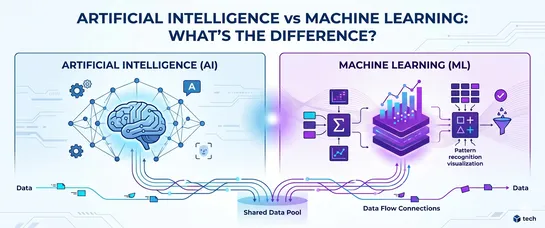
Confused by AI vs machine learning? This guide breaks down what sets them apart, how they work together, and what it means for you.

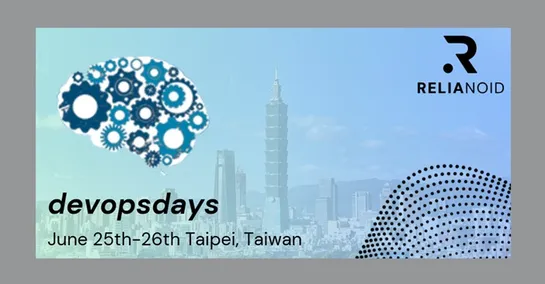
We're heading to DevOpsDays Taipei 2026! Join us on June 25–26 in Taipei to explore the latest in DevOps, AI, platform engineering, cloud-native technologies, and security alongside hundreds of technology professionals from across Asia. Learn more about the event and meet RELIANOID there. 👇 https://..
Data privacy, sovereignty, and compliance matter. Learn how RELIANOID manages global data governance, regional privacy requirements, and secure data handling practices across Europe, the United States, and Asia. Read our Global Data Segregation & Privacy Policy. https://www.relianoid.com/security-co..
One challenge we've been thinking about recently is the amount of time spent assembling context during incident response.
The information often already exists across CMDBs, monitoring systems, and incident management platforms, but engineers still have to correlate it before they can act.
Here's a short write-up on a three-stage AI SRE workflow for impact analysis, alert classification, and incident context management.





Followingthe recent overviewof newly added CNCF projects in 2025, the next batch of Open Source tools for Cloud Native needs include: - KitOpsfor packaging AI/ML models into all-in-one bundles and deploying them. - OpenTofu, a Terraform fork created by the community. - kagent, a framework for buildi..
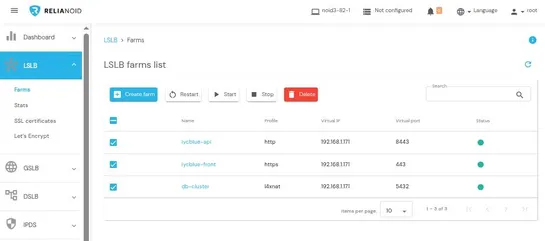
⚓ How do you ensure a yacht and fleet management platform stays available 24/7, even across challenging maritime networks? Discover how 𝗥𝗘𝗟𝗜𝗔𝗡𝗢𝗜𝗗 delivers 𝘩𝘪𝘨𝘩 𝘢𝘷𝘢𝘪𝘭𝘢𝘣𝘪𝘭𝘪𝘵𝘺, 𝘴𝘦𝘤𝘶𝘳𝘪𝘵𝘺, 𝘢𝘯𝘥 𝘱𝘦𝘳𝘧𝘰𝘳𝘮𝘢𝘯𝘤𝘦 for 𝙄𝙔𝘾 𝘽𝙇𝙐𝙀 with intelligent load balancing, SSL offloading, API routing, and resilient failover. R..

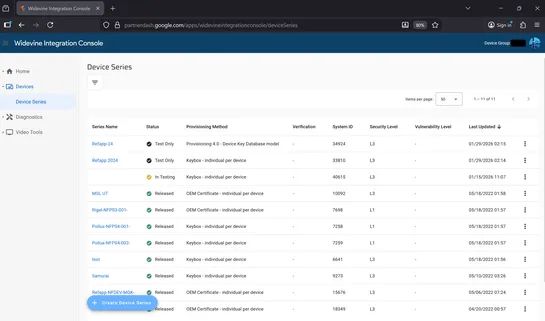
A security researcher used an AI fuzzing harness against 1,500+ Google APIs and earned $500,000 in bug bounties, surfacing access-control flaws across Google Voice, Widevine, AdExchange, and internal Cloud Console GraphQL endpoints... read more
Devarsh Ranpara builds a single-input perceptron from scratch in Python with browser demos, using the weight, bias, and decision boundary to show why a line forced through zero cannot separate classes that sit far from it... read more
Aafaq Zahid open-sourced Keel, a Go microservices framework he extracted from eight years of production systems... read more