Android Architecture: Components, Patterns & Best Practices Guide
Learn Android architecture with components, patterns, and best practices to build mobile apps that are scalable, easy to maintain, and high-performing.
Join us
 Updates and recent posts about LangChain..
Learn Android architecture with components, patterns, and best practices to build mobile apps that are scalable, easy to maintain, and high-performing.


Planning a webinar, workshop, or team-wide event in Jira? You’re not alone. When you’re managing internal demos, customer-facing webinars, or company-wide town halls, event coordination takes effort and often involves stakeholders across departments.
Missed deadlines, unclear responsibilities, or last-minute changes can turn even a small event into a major time sink. But there’s good news: you can streamline your event workflows using the tools your team already uses.
Instead of juggling spreadsheets, emails, and calendar invites, create a customizable event planning template in Jira. It brings everything into one place, supports collaboration, and helps you keep track of dependencies, deliverables, and last-minute requests in real time.

Hiring the right person is only half the equation — helping them grow is the other


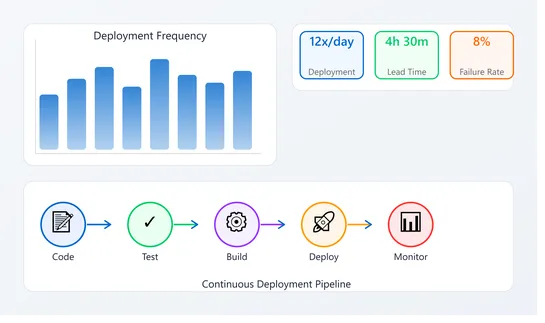
Start tracking DORA metrics this week without months of work. Learn simple manual tracking, gradual automation, and practical tools to measure deployment performance
Whether you’re reviewing a routine non-disclosure agreement or a complex commercial contract, your team likely follows roughly the same steps. Although many legal professionals don’t require a predefined plan, in some cases, having a contract review template is very helpful.
For example, if you have a large legal department, work in a legal firm with numerous clients, or need to scale best practices, in all these cases, process standardization is essential. A contract review template enables you to document all the crucial steps, ensuring that your processes are robust and repeatable.
In this guide, we’ll share a free contract review template for legal teams. We also explain how to use it in Jira or Monday and how to add it to your tasks automatically.

Managing projects in Jira often involves many repetitive actions. Creating work items for recurring tasks, reassigning them for reviews, and syncing statuses with dev tools – these are just a few examples. With Jira automation, you can handle such routine actions more efficiently and reduce manual work. If you set up automation rules that work together as a whole, you will create a well-functioning system. This will help you streamline processes and optimize resources.
In this article, we explore hands-on Jira automation best practices that actually save time. You’ll learn how to set up effective rules, avoid common mistakes, and make automation work seamlessly for your team’s unique processes.