Google Releases Magika 1.0: AI File Detection in Rust
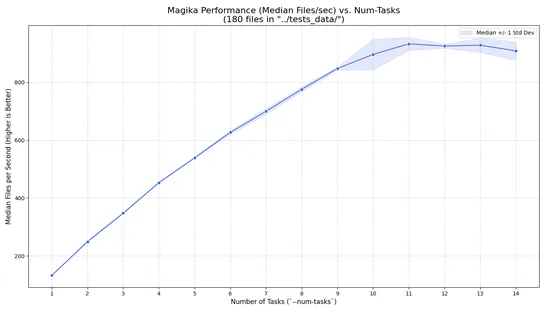
Google releases Magika 1.0, an AI file detection system rebuilt in Rust for improved performance and security.
Join us
Google releases Magika 1.0, an AI file detection system rebuilt in Rust for improved performance and security.

👨🚀 ByteVibe, a space out of space 👨🚀─✅ Museum-quality poster✅ Made on long-lasting semi-glossy (silk) paper✅ Durable colors✅ Vibrant colors✅ Shipped in sturdy packaging protecting the poster✅ Enviro...

Google supports the Model Context Protocol to enhance AI interactions across its services, introducing managed servers and enterprise capabilities through Apigee.
Guido van Rossum discussed Python's enduring relevance in AI and education at GitHub's Octoverse, emphasizing its clarity, accessibility, and community-driven growth despite TypeScript's rise.

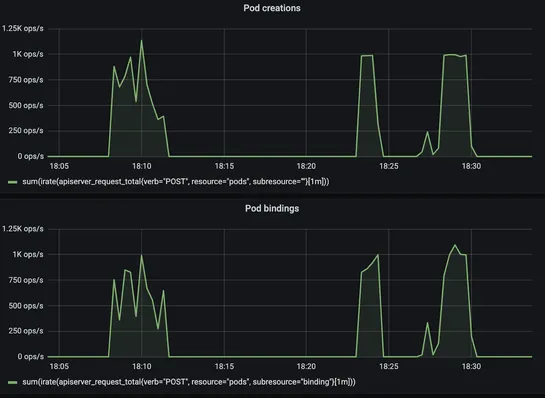
Google successfully operates a 130,000-node Kubernetes cluster to enhance GKE's scalability for AI workloads.

Google introduces Antigravity, an AI-driven platform enhancing IDEs with autonomous coding capabilities, now in public preview.

Cline-bench launches to offer realistic AI coding benchmarks, pledging $1M to support open source maintainers and enhance research with real-world challenges.

The Cloud Native Computing Foundation launched the Certified Kubernetes AI Conformance Program to set standards for AI workloads on Kubernetes, ensuring reliability and consistency.

In 2025, GitHub saw a surge in growth with AI advancements, as TypeScript overtook Python and JavaScript in popularity, fueled by the release of GitHub Copilot Free and a global developer expansion.

Amazon plans to lay off 14,000 employees to streamline operations and boost AI investment, part of a broader strategy affecting up to 30,000 jobs.

The FSF's Licensing and Compliance Lab engaged with GNU toolchain maintainers at GNU Cauldron to discuss GPL compliance, AI-generated code, and attribution in containerized environments.